

A biomass shredder is designed to reduce bulky agricultural, forestry, and wood waste into more manageable and consistent material for fuel production, pelletizing, biogas processing, and other biomass utilization applications. For buyers, two questions usually come first: What materials can the shredder process, and what output size can it achieve?
The answer depends on material type, moisture, feeding conditions, required capacity, and downstream application. ZAECOTECH's industrial biomass shredder is designed for high-capacity processing of straw, agricultural residues, wood waste, and forestry materials, with reference capacities from 15–75 t/h and standard output sizes of 50–100 mm.
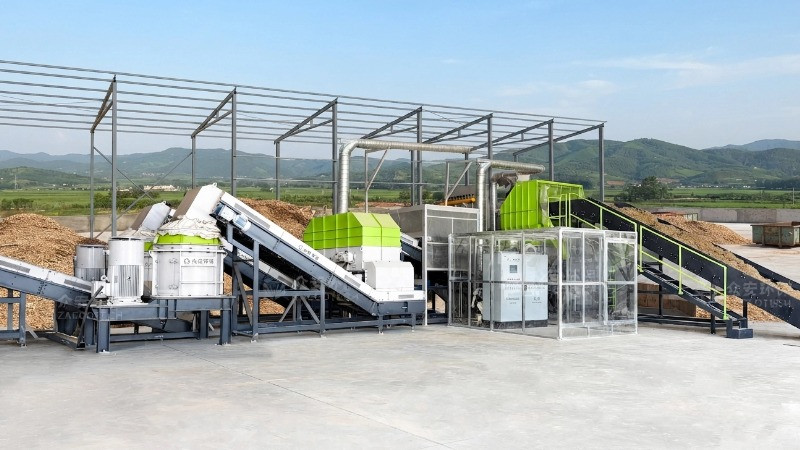
Biomass waste comes in many different forms. Some materials are loose and lightweight, while others are bulky, fibrous, or difficult to feed. A properly configured biomass shredder can process a wide range of organic materials.
Typical materials include:
| Biomass Material | Typical Examples |
|---|---|
| Agricultural residues | Wheat straw, rice straw, corn stalks |
| Sugarcane waste | Sugarcane leaves, bagasse |
| Forestry residues | Branches, wood waste, forestry residues |
| Wood waste | Wood scraps, pallets, processing waste |
| Palm biomass | Palm residues and other fibrous biomass |
| Green waste | Tree trimmings and garden residues |
ZAECOTECH specifically lists crop straw, paddy straw, sugarcane trash, wood waste, forestry residues, and other organic waste among its biomass applications.
For mixed or difficult materials, the equipment configuration should be selected according to the actual material rather than simply choosing a machine based on nominal capacity.
Although biomass is generally softer than metal or construction waste, it can still create processing problems.
Long fibers can cause winding. Straw, sugarcane residues, and other fibrous materials may wrap around rotating components if the cutting system is not properly designed.
Material size can vary significantly. Large branches, wood pieces, and compressed straw bales require stronger feeding and shredding systems than loose biomass.
Moisture affects processing. Wet biomass can become heavier and more difficult to feed consistently, while excessive moisture may affect downstream fuel or pellet production.
Loose materials can be difficult to handle. Low-density straw and agricultural residues may require suitable conveyors and feeding equipment to maintain a stable material flow.
For these reasons, biomass shredding should be considered as part of the complete processing system rather than as an isolated machine.
Output size is one of the most important specifications when selecting a biomass shredder because the required particle size depends on what happens after shredding.
ZAECOTECH's industrial biomass shredder provides a reference output range of 50–100 mm for its standard models. The equipment is available in different configurations according to capacity and application.
| Processing Requirement | Reference Output |
|---|---|
| Coarse biomass shredding | 50–150 mm |
| Standard biomass shredding | 50–100 mm |
| Downstream fine processing | Customized |
| Secondary crushing/grinding | Depends on final application |
*The actual output range depends on the selected equipment configuration and material.
For applications requiring finer material, shredding can be combined with secondary crushing or grinding. For example, ZAECOTECH's South Asia biomass project processes wheat straw, corn stalks, sugarcane leaves, and bagasse at 20–40 t/h, with a reference output of 20–40 mm.
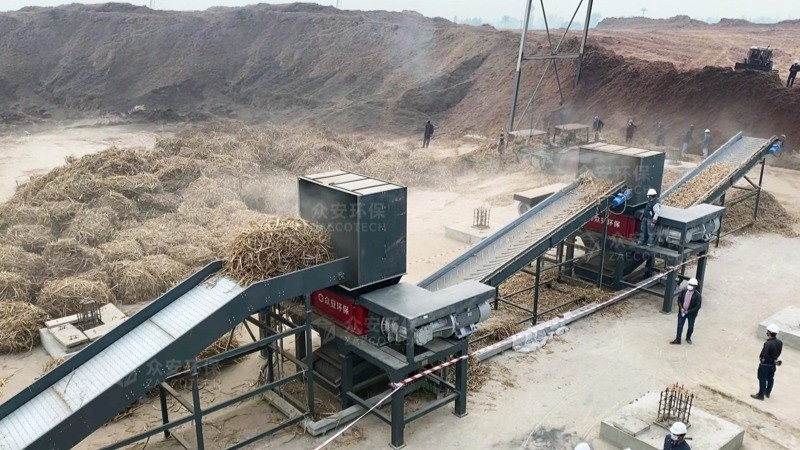
This means buyers should not only ask, “How small can the biomass shredder shred?” A better question is: “What output size does my downstream process actually require?”
Capacity selection should match the actual biomass supply and project operating schedule.
ZAECOTECH's current biomass shredder range includes models with reference capacities from 15 to 75 t/h.
| Model | Equipment Type | Capacity | Output Size |
|---|---|---|---|
| S522 | Twin-shaft shredder | 15–25 t/h | 50–100 mm |
| S535 | Twin-shaft shredder | 25–38 t/h | 50–100 mm |
| S550 | Twin-shaft shredder | 35–55 t/h | 50–100 mm |
| S570 | Twin-shaft shredder | 50–75 t/h | 50–100 mm |
The manufacturer's capacity data is based on regular throughput of medium-hard materials. Actual performance can vary according to feeding conditions, material particle size, material type, and moisture content.
For a biomass fuel plant, for example, the right capacity should be determined by the available feedstock and required daily production rather than simply selecting the largest machine.
A suitable industrial biomass shredder can provide several practical advantages for downstream processing.
ZAECOTECH biomass shredders are designed for industrial applications with reference capacities up to 75 t/h, supporting large-scale biomass fuel and resource utilization projects.
Size reduction creates a more manageable material stream for subsequent processing such as pellet production, fuel preparation, grinding, or biological conversion.
The equipment can be configured for agricultural stalks, straw, wood waste, forestry residues, and other biomass materials.
The shredder uses a power system to drive the blade shaft at relatively low speed, with tearing and shearing between the blades reducing the material.
The machine configuration can be designed according to material type, required capacity, output size, and site conditions.
Before requesting a quotation, buyers should prepare several basic project details.
| Buyer Information | Why It Matters |
|---|---|
| Biomass type | Determines shredding configuration |
| Feed condition | Affects feeding system and throughput |
| Required capacity | Determines machine model |
| Target output size | Determines shredding configuration |
| Moisture content | Influences processing performance |
| End use | Determines downstream equipment |
| Site conditions | Affects system layout |
The end use is especially important. A biomass shredder used for pellet production may require a different downstream configuration from one used for biomass fuel, biogas, or chemical feedstock preparation.
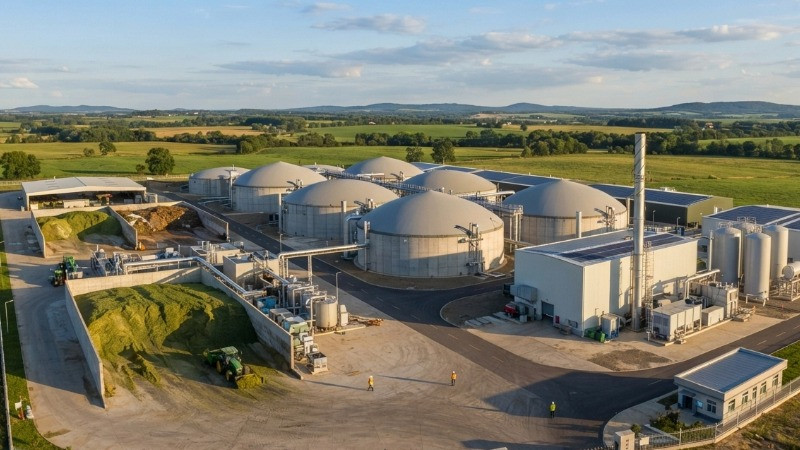
For a complete project, the system may also include conveyors, secondary crushers, grinders, screens, and other auxiliary equipment.
ZAECOTECH provides customized biomass shredding solutions based on material type, capacity, output size, and site conditions. For an accurate equipment recommendation, buyers can provide the biomass type, expected throughput, input condition, target output size, and final application.
In short, choosing a biomass shredder is not simply about finding the highest capacity or smallest output. The right solution needs to balance material characteristics, throughput, output size, and downstream requirements so that the entire biomass processing system can operate efficiently.


 中文
中文


