


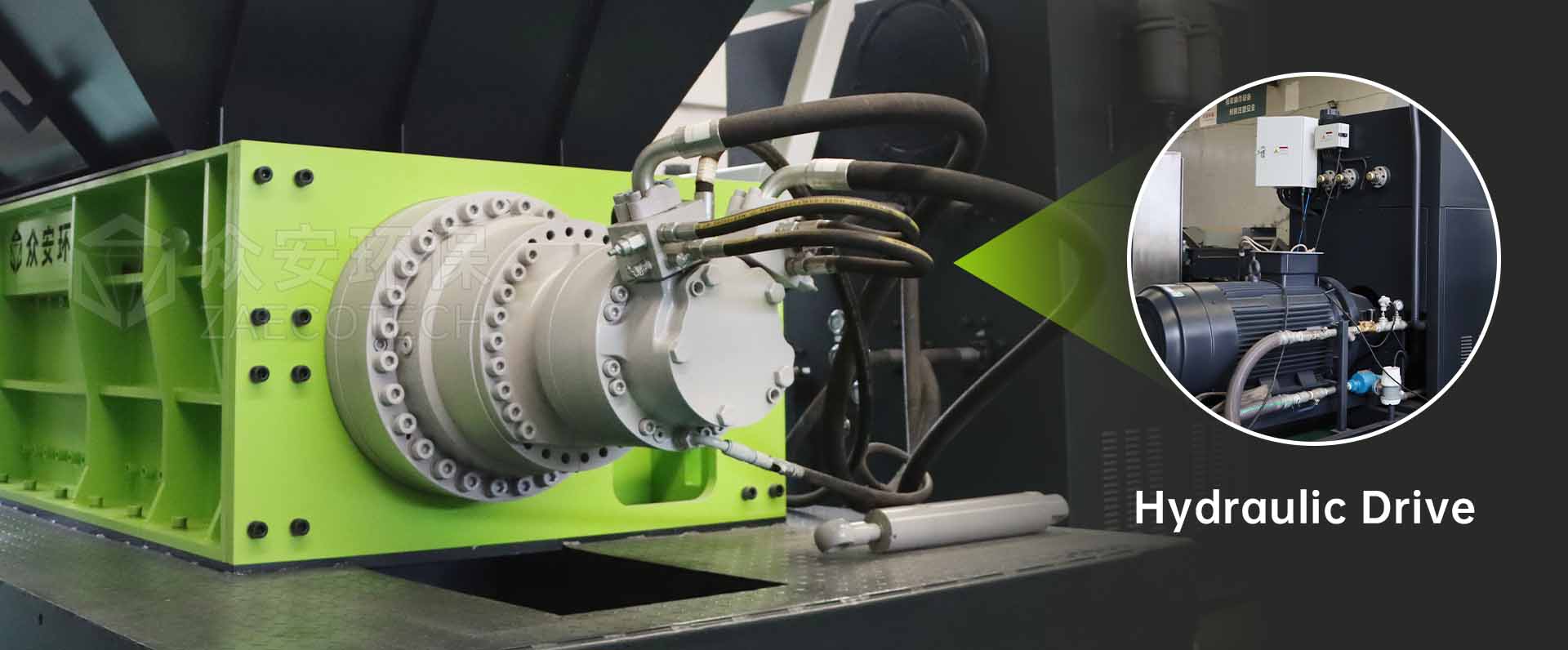
The primary function of the scrap tire wire separator is to separate steel wire from rubber in waste tires. Driven by a motor and reducer, the equipment utilizes the interaction between the cutter shaft and the static blades to achieve fine shredding, wire separation, and screening in a single pass. Characterized by high torque, a compact footprint, and ease of maintenance, this machine successfully solves the challenge of separating tire rubber from steel wire.
Output Size
Power
Capacity
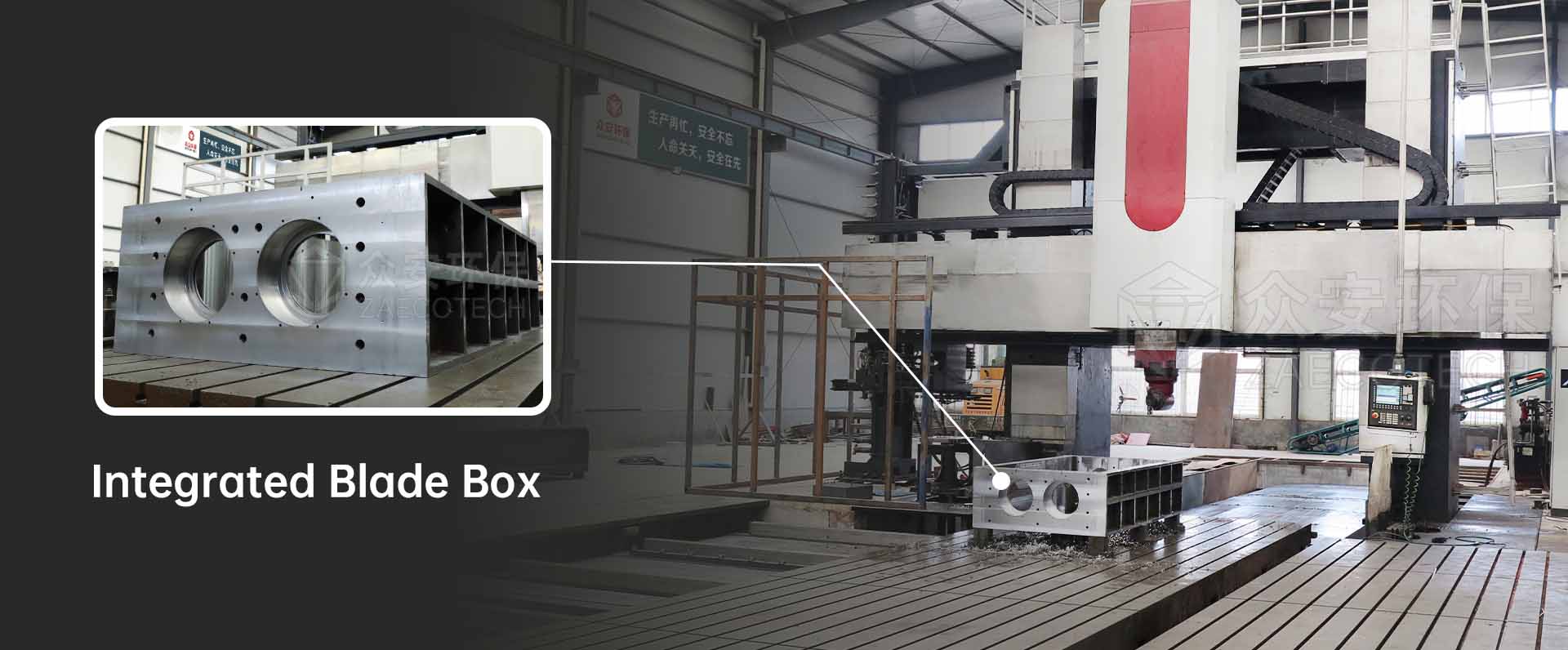
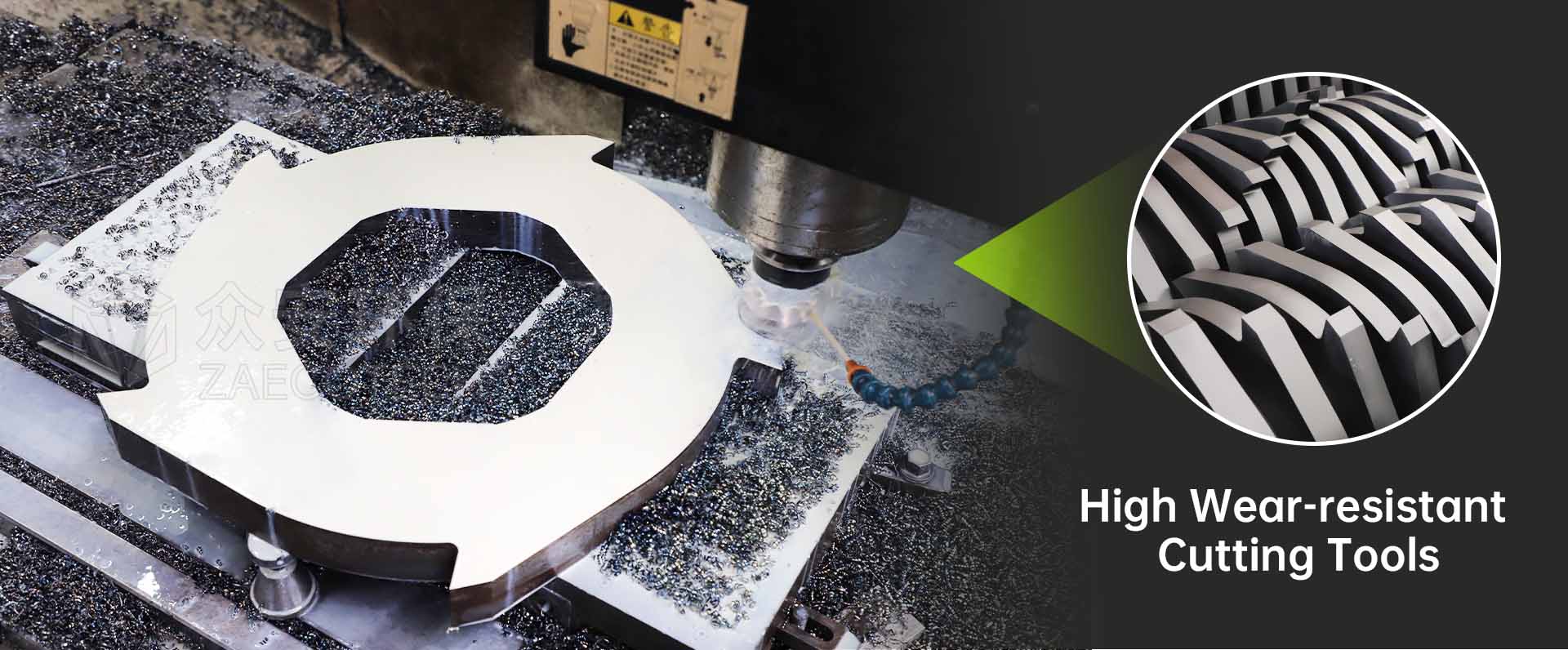
The primary function of the scrap tire wire separator is to separate steel wire from rubber in waste tires. Driven by a motor and reducer, the equipment utilizes the interaction between the cutter shaft and the static blades to achieve fine shredding, wire separation, and screening in a single pass. Characterized by high torque, a compact footprint, and ease of maintenance, this machine successfully overcomes the challenge of separating tire rubber from steel wire.
Material Solution
Advantages of Tire Wire Separator
Main Parameters Of Tire Wire Separator
| Model | Capacity (m³/h) | Equipment Type | Power (kW) |
| FL100 | 1-2 | Wire Separator | 132 |
| FL150 | 2-4 | Wire Separator | 180 |
| FL200 | 3-5 | Wire Separator | 264 |
Note: The above capacity data is based on the regular throughput of medium-hard materials.The actual operating performance of the equipment may vary due to feeding conditions, material particle size, material type and moisture content.
Tire Wire Separator Application
Our tire wire separators are heavy-duty industrial units designed to extract steel wire from shredded scrap tires. By utilizing high-intensity mechanical separation, these machines isolate steel reinforcements from rubber mulch. This critical process produces high-purity steel scrap for smelting and prepares wire-free rubber for fine grinding or as feedstock for specialized manufacturing.

In this Tire Recycling & Steel Extraction Line, our FL-series separators function as the primary metal recovery stage. Utilizing the FL200 model, the system handles a capacity of 3-5 m³/h with a powerful 264 kW drive. The unit efficiently strips steel from tire rubber, ensuring the recovered metal is clean and ready for recycling while providing high-quality, wire-free rubber for secondary processing.

This Industrial Solid Waste System integrates our wire separation technology to handle complex rubber-and-metal waste streams. With configurations such as the FL150 supporting a throughput of 2-4 m³/h, the equipment utilizes high-torque motors of 180 kW. This ensures consistent separation performance, significantly reducing landfill waste and transforming contaminated rubber scrap into valuable industrial raw materials.
All our machines come with a 12-month warranty covering non-human damage and manufacturing defects. Spare parts and technical support are provided during the warranty period.
Production time typically ranges from 10 to 25 working days depending on the model and order quantity. Shipping time varies by destination, and we’ll provide an estimated delivery schedule once your order is confirmed.
Yes, we provide customized solutions based on your material type, capacity, and site conditions. Our engineering team will design the machine configuration that best fits your needs.
We offer full technical support via email, phone, and video guidance. For major installations, we can arrange on-site engineers if required. Our service team ensures smooth operation after delivery.
Please share details such as required capacity, input material, output size, power preference, and destination port. With this information, our sales team can offer an accurate and competitive quotation quickly.
Related Projects

Applicable Materials: Waste Tires, Scrap Rubber
Processing Capacity: 2t/h
Applications: Resource Recovery & TDF Production

Applicable Materials: IBC tanks, paint buckets, and other hazardous waste
Processing Capacity: 5 t/h
Application: Volume reduction and shredding to enhance the processing capacity of the incineration system.

Applicable Materials: Furniture, Wooden Components, Waste Household Appliance Casings, etc.
Processing Capacity: 5-8t/h
Application Field: Waste Transfer Stations
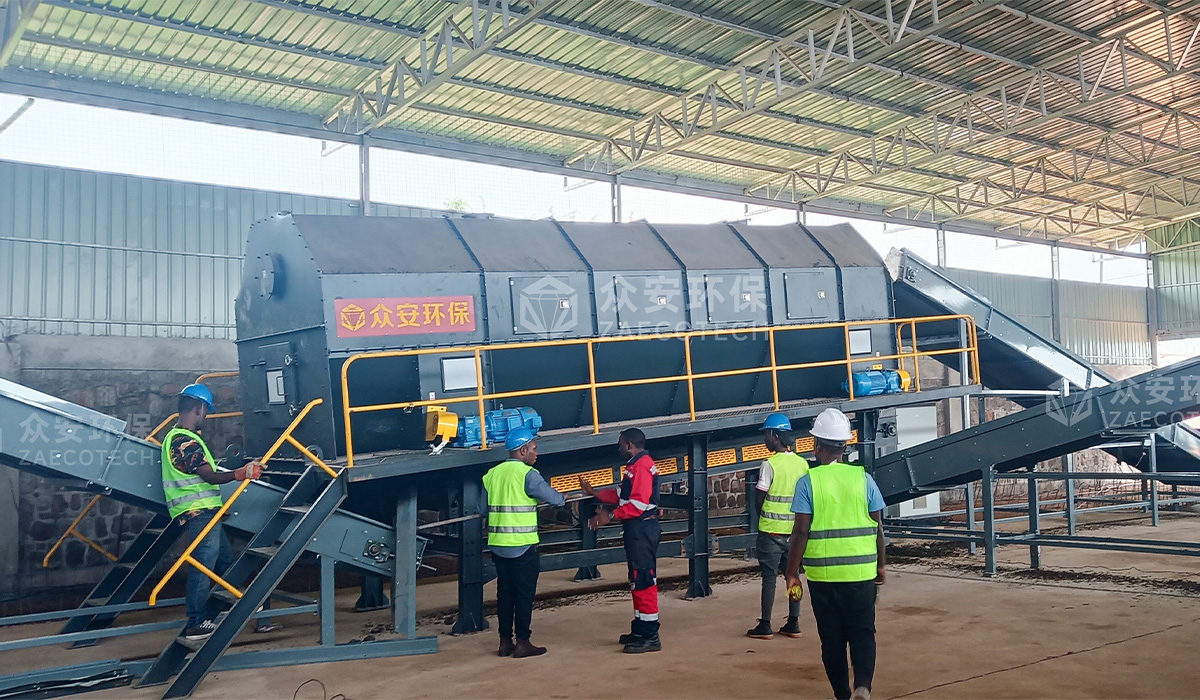
Applicable Materials: Municipal Solid Waste
Processing Capacity: 25–30 t/h
Application: Material Recovery Facility (MRF) / Waste Sorting Center


 中文

