

A hazardous waste shredding system helps industrial waste treatment facilities reduce the size of hazardous materials and prepare them for subsequent treatment. Waste drums, IBC totes, contaminated packaging, oil rags, and other industrial hazardous waste can be difficult to handle because of their irregular shapes, different material properties, and potential safety risks.
Without suitable pretreatment equipment, operators may face inconsistent output sizes, inefficient manual handling, material blockages, and difficulties feeding downstream treatment equipment.
A properly designed system combines shredding equipment, feeding and discharge arrangements, intelligent controls, and safety features selected for the specific waste stream. ZAECOTECH provides hazardous waste shredders and customized pretreatment solutions for applications involving hazardous containers and mixed industrial waste.
The right configuration depends on the waste's physical and chemical properties, required throughput, target output size, and downstream treatment process.
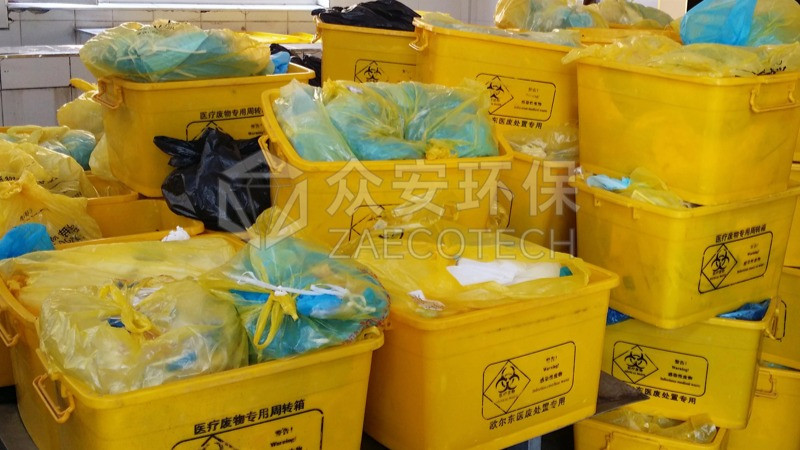
Hazardous waste pretreatment involves more than reducing material size. Operators must account for both mechanical processing requirements and the hazards associated with the incoming materials.
Irregular shapes and different material properties: Steel drums, plastic containers, IBC totes, flexible bags, and contaminated textiles behave differently during shredding. Equipment must be selected according to the actual feed materials.
Inconsistent particle sizes: Oversized or uneven material can complicate conveying, mixing, and subsequent treatment. Suitable size reduction helps prepare a more consistent feedstock.
Manual handling and blockages: Repeated handling and unsuitable feeding arrangements can reduce productivity. An integrated feeding and shredding system can help establish a more controlled workflow.
Fire, explosion, and exposure risks: Some hazardous waste may contain flammable residues, volatile substances, or toxic contaminants. These risks must be evaluated before processing. Depending on the waste characteristics, the system may require an enclosed design, appropriate ventilation, explosion protection, fire suppression, and other engineered safeguards.
The key is to identify the waste characteristics before selecting the equipment. Materials that appear similar in shape may require different safety measures because their residual contents and chemical properties differ.
ZAECOTECH's hazardous waste shredder uses a hydraulic drive system to operate the cutter rotor at low speed and high torque. The cutting tools work together to tear, squeeze, and shear incoming materials into smaller fragments.
Several design considerations are particularly important for hazardous waste applications.
Hydraulic drive and high-torque shredding
A hydraulic drive can provide high torque at low operating speeds, supporting the processing of rigid containers and irregular industrial waste. The actual shredding performance depends on material strength, container construction, feeding conditions, and equipment configuration.
High-strength cutting components
Cutting tools must be matched to the incoming material. Appropriate blade design and wear-resistant materials can help manage demanding feed conditions and routine wear. Maintenance accessibility should also be considered when planning long-term operation.
Intelligent PLC control
A programmable logic controller (PLC) can coordinate equipment operation and support monitoring of the processing sequence. Depending on the system design, controls may also support fault alarms, interlocks, and protective shutdown functions.
Enclosure and risk-based safety measures
Enclosed processing, fire suppression, explosion protection, and ventilation may be necessary for particular waste streams. These features must be selected and engineered according to the identified hazards, applicable regulations, and site requirements; they should not be assumed to be identical across every configuration.
Integrated auxiliary equipment
Depending on the project, the system may include feeding equipment, discharge conveyors, dust collection, and access for maintenance. Integrating these components helps connect shredding with the rest of the treatment process.
The appropriate shredder capacity depends on the quantity and type of waste, the operating schedule, and the output requirements of downstream treatment equipment.
| Model | Reference capacity | Power range |
|---|---|---|
| WH120 | 2–6 t/h | 90–132 kW |
| WH160 | 6–12 t/h | 90–160 kW |
| WH200 | 10–20 t/h | 132–250 kW |
The listed reference output size is 50–200 mm. These specifications are preliminary selection references rather than guaranteed throughput for every waste stream. Actual capacity varies with material type, feed dimensions, moisture content, feeding conditions, and operating requirements.
Before choosing a model, operators should confirm three factors:
Waste characteristics: Container material, dimensions, residual contents, and any relevant chemical or physical hazards.
Required throughput: Average and peak processing rates, available operating hours, and expected fluctuations in incoming waste.
Target output size: The particle size required by the next stage of treatment.
Output size should be determined by the downstream process rather than by shredder capacity alone. A system feeding an incineration facility may have different requirements from one preparing waste for stabilization and solidification.
A site-specific assessment can help determine whether a single shredder is sufficient or whether the project needs an integrated line with feeding, conveying, dust collection, and additional safety equipment.
ZAECOTECH's hazardous waste shredding project in Nanyang, China, provides a practical example of equipment selection for rigid containers and other industrial hazardous waste.
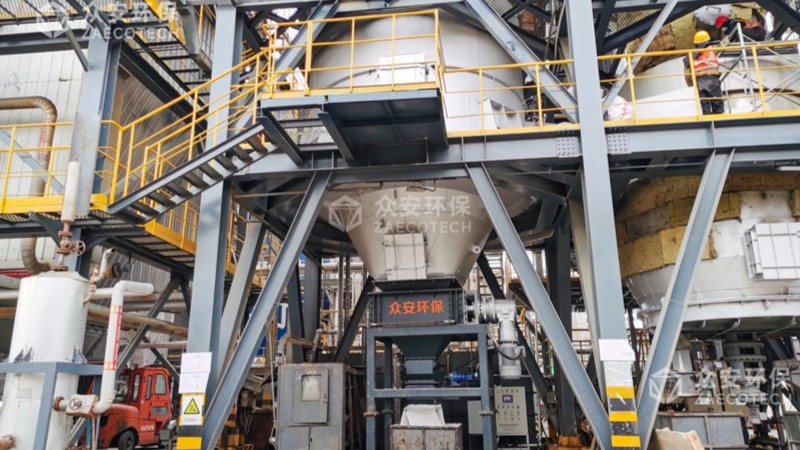
Project overview
Materials: IBC totes, paint buckets, and other hazardous waste.
Processing capacity: 5–8 t/h.
Output size: 50–150 mm.
Main equipment: Hydraulic-driven twin-shaft shredder with an intelligent PLC control system.
Application: Volume reduction and homogenization pretreatment before downstream treatment.
The system uses low-speed, high-torque shredding to process bulky and irregular materials. Its configuration is designed to reduce material size and improve consistency, helping address challenges such as uneven output, inefficient manual handling, and blockages.
The project also illustrates why safety measures must be integrated into the equipment design. The project page describes an enclosed explosion-proof design, high-strength alloy cutters, and intelligent control. The appropriate implementation of these features depends on the hazards identified for the actual waste stream and the requirements of the facility.
After shredding, the material is prepared for subsequent stabilization and solidification. More consistent particle sizes can support downstream mixing, although the final treatment performance depends on waste composition, the formulation used, and the operating conditions.
The case demonstrates the importance of matching the shredder, control system, and safety configuration to the material being processed. Its capacity and output size provide a useful reference for similar projects, but they should not be treated as universal specifications.
Shredding is a pretreatment step, not a complete hazardous waste treatment process. Its role is to reduce material size and prepare a suitable feedstock for an approved downstream treatment route.
Incineration
For waste streams approved for incineration, shredding can help prepare materials to meet the receiving facility's feed-size and feeding requirements. The required output size and any additional preparation steps must be confirmed with the incineration facility.
Stabilization and solidification
For suitable waste streams, shredding can improve physical consistency before mixing with stabilization or solidification agents. This may support more uniform mixing, but the treatment recipe and process must be established according to the waste's chemical properties and applicable acceptance criteria.
Other treatment routes
Some waste streams may require additional sorting, decontamination, chemical treatment, or specialized handling before final treatment. The appropriate route depends on the waste classification, composition, and regulatory requirements.
Before designing the shredding line, operators should confirm what happens after pretreatment. This helps determine the required particle size, conveying arrangements, containment measures, and level of integration with downstream equipment.
Shredding alone does not neutralize hazardous substances or make the resulting material safe for unrestricted handling or disposal.
A customized solution should begin with an assessment of the waste and the conditions under which it will be processed. Selecting a shredder based only on hourly capacity may overlook critical differences in material properties and safety requirements.
To develop a suitable configuration, prepare the following information:
Waste type and composition: Drums, IBC totes, contaminated packaging, oil rags, or other industrial hazardous waste.
Physical and chemical hazards: Residual contents, flammability, volatility, toxicity, and other relevant characteristics.
Processing capacity: Average and peak throughput requirements.
Target output size: Requirements specified by the downstream treatment facility.
Site conditions: Available space, existing conveyors, ventilation, and utility requirements.
Downstream process: Incineration, stabilization and solidification, or another approved treatment route.
Safety and compliance requirements: Applicable standards, risk assessments, containment, fire protection, and explosion protection where required.
ZAECOTECH provides hazardous waste shredders and customized solid waste pretreatment solutions. Depending on the project, the system can integrate hydraulic shredding, feeding and conveying equipment, intelligent controls, and the safety measures required by the specific application.
Planning a hazardous waste pretreatment project? Contact ZAECOTECH with your waste details, target capacity, output requirements, and downstream treatment process to discuss a suitable equipment configuration.


 中文


