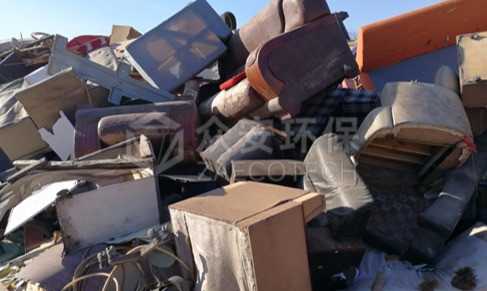
A mattress shredder in US recycling projects can help reduce the volume of discarded mattresses and prepare their materials for further recovery. Used mattresses are bulky, difficult to transport, and costly to handle through conventional disposal methods. The Mattress Recycling Council (MRC) reports that its programs have collected and recycled more than 15 million mattresses across participating states, demonstrating the growing need for effective mattress recycling solutions.
For recycling facilities, the key is not simply to shred mattresses, but to improve handling efficiency and prepare different materials for downstream separation and reuse.
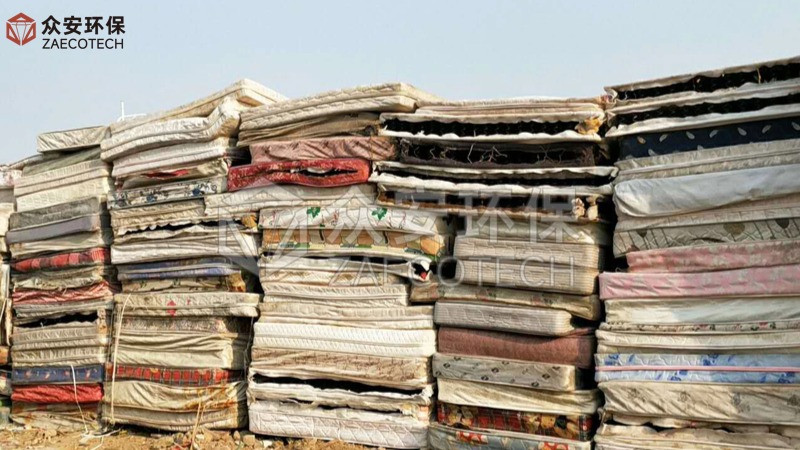
Mattress recycling involves several costs beyond the initial disposal or collection fee.
Collection and transportation: Mattresses take up considerable space in trucks, increasing the number of trips required.
Storage and handling: Their bulky, irregular shape makes stacking, storage, and manual handling difficult.
Labor costs: Manual dismantling and material separation can require substantial labor.
Disposal costs: Materials that cannot be recovered may still need to be transported to landfills or other disposal facilities.
These expenses can reduce the profitability of recycling operations, especially when facilities process large volumes of mattresses. Improving size reduction and material handling is therefore an important step toward controlling operating costs.
An industrial mattress shredder reduces bulky mattresses into smaller pieces, making materials easier to convey, store, transport, and process in subsequent stages.
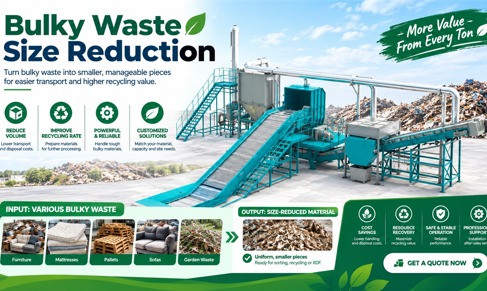
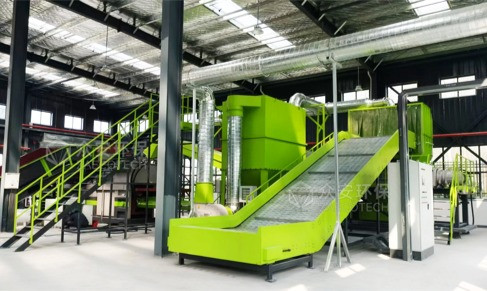
ZAECOTECH's Bulky Waste Shredder uses a low-speed, high-torque twin-shaft design to process bulky materials such as mattresses, sofas, and furniture waste. Its main advantages include:
Volume reduction: Smaller output helps improve storage and transportation efficiency.
Continuous processing: Mechanical shredding reduces reliance on manual dismantling.
Adaptable configuration: Feeding and conveying equipment can be integrated according to project requirements.
Preparation for separation: Shredded materials can be transferred to downstream magnetic separation and other sorting equipment.
The shredder serves as a pretreatment unit. Additional separation equipment is required to recover different mattress components.
A typical mattress contains several materials with different recycling possibilities. After shredding and appropriate downstream separation, these materials may be directed to different recovery routes.
| Material | Potential Recycling Application |
|---|---|
| Steel springs | Recovered through magnetic separation and sent for metal recycling |
| Foam | Reused in rebonded foam, carpet padding, or other applications, subject to material quality |
| Textiles and fibers | Used in insulation, technical felt, or other fiber-based products |
| Wood components | Reused, chipped, or processed for suitable biomass applications |
The actual recovery rate depends on mattress composition, contamination, separation technology, and the quality requirements of downstream users. MRC indicates that more than 75% of a mattress may be recoverable through appropriate recycling processes. This represents material recovery potential, not the recovery rate of a shredder alone.
Choosing a mattress shredder requires more than comparing equipment prices. Buyers should consider the expected material volume, operating conditions, output requirements, and downstream recycling process.
ZAECOTECH's Bulky Waste Shredder series offers the following reference capacities:
| Model | Capacity | Output Size |
|---|---|---|
| B160 | 10–20 m³/h | 100–300 mm |
| B180 | 20–40 m³/h | 100–300 mm |
| B200 | 30–60 m³/h | 100–300 mm |
The equipment adopts a low-speed, high-torque twin-shaft structure for bulky waste size reduction. Actual processing capacity varies depending on mattress structure, feeding conditions, and material characteristics.
Before selecting a model, consider:
Daily or hourly processing volume
Mattress types and material composition
Required output size for downstream equipment
Available installation space and feeding method
Whether magnetic separation and other sorting equipment are needed
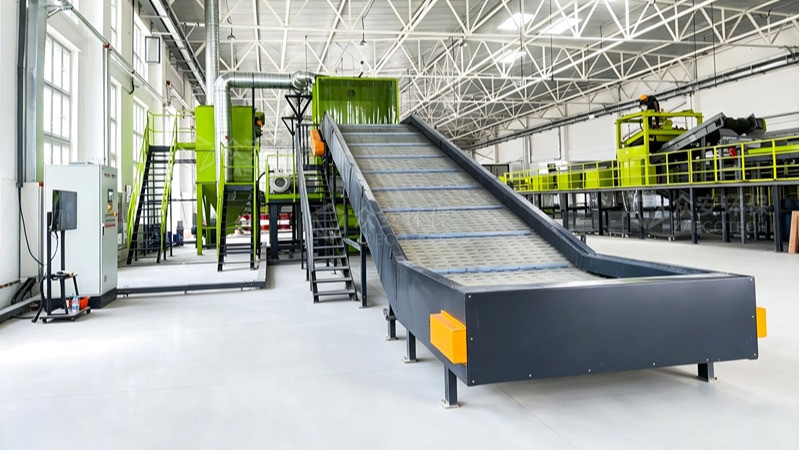
For larger projects, an integrated system with feeding conveyors, shredding equipment, discharge conveyors, and separation units may provide a more efficient workflow than a standalone machine.
Mattress recycling in the US involves challenges related to collection, transportation, handling, and material recovery. An industrial mattress shredder can help reduce bulky waste volume and prepare mattress components for further separation, supporting more efficient recycling operations.
The right equipment should be selected according to the material characteristics, processing capacity, output requirements, and overall recycling process. ZAECOTECH provides customized bulky waste shredding solutions for mattress recycling projects.


 中文