
An e waste shredder in South Africa provides an efficient solution for reducing the size of discarded circuit boards, computers, hard drives, and other electronic scrap. As electronic waste volumes increase and recycling requirements become more demanding, professional shredding equipment helps recycling facilities improve pre-processing efficiency and prepare valuable materials for further recovery.
South Africa generates more than 360,000 tonnes of e-waste annually, while only a small proportion is estimated to be properly recycled. For recycling businesses, investing in suitable shredding equipment is an important step toward handling complex electronic waste and building more efficient recycling operations.
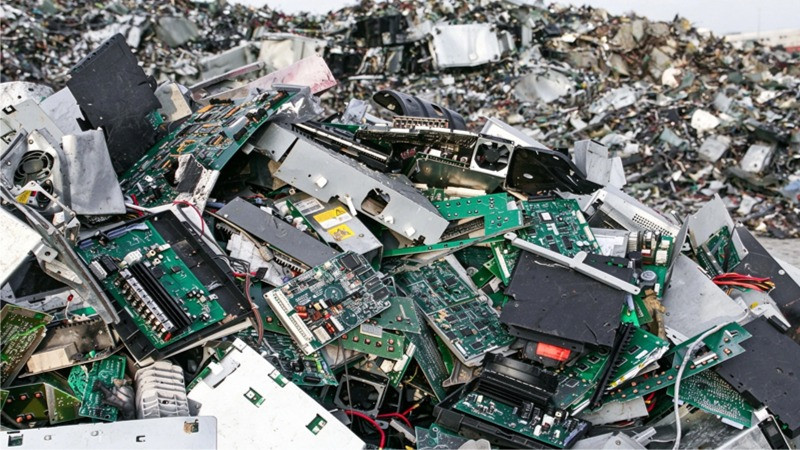
Electronic waste contains different materials and components, including metals, plastics, circuit boards, and electronic parts. Their structures and sizes vary considerably, so the shredding process needs to be adapted to the type of waste being handled.
Common materials processed by an industrial e-waste shredder include:
Printed Circuit Boards (PCBs): Found in computers, communication equipment, and consumer electronics. PCBs contain copper and small quantities of precious metals, making them valuable materials for further recovery.
Computers and Servers: Discarded computer housings, server components, and related IT equipment often contain a mixture of metal, plastic, and electronic parts. Shredding reduces their size for subsequent separation.
Hard Drives and IT Equipment: Hard drives and other electronic components have compact, complex structures. A suitable shredding configuration can reduce their size and prepare them for further processing.
Consumer Electronics: Electronic devices such as small appliances and other discarded equipment can be processed according to their material composition and dimensions.
Mixed Electronic Scrap: Recycling facilities handling different types of electronic waste can use a customized shredding system to process suitable pre-sorted materials.
Not all electronic waste should be fed directly into a shredder. Batteries, mercury-containing components, refrigerants, and other hazardous parts may require removal or separate treatment before mechanical processing. Proper pre-sorting helps improve operational safety and supports responsible recycling.
Electronic waste is difficult to process because it combines different materials, shapes, and structural strengths. A standard crusher may not provide the appropriate cutting action for bulky or irregular electronic scrap. A dedicated PCB and e-waste shredder is designed to handle these materials through controlled shearing and tearing.
Low-Speed, High-Torque Shredding
Electronic housings, metal components, and circuit boards require sufficient cutting force for effective size reduction. A low-speed, high-torque drive provides strong shearing force and supports stable processing of complex electronic scrap.
Dual-Shaft Cutting System
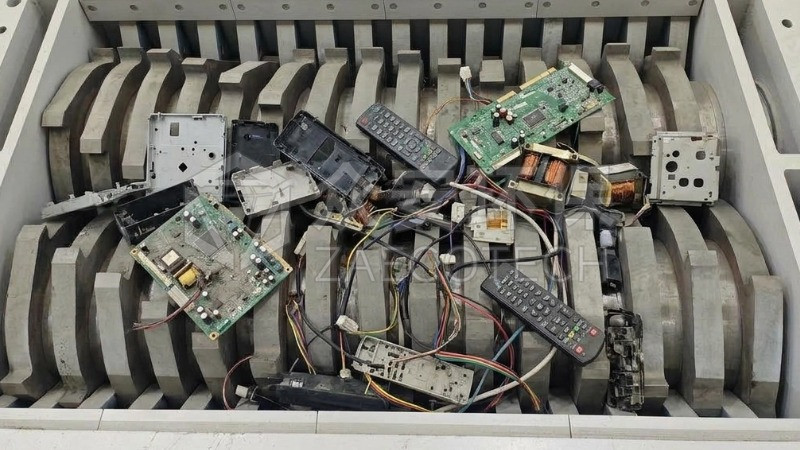
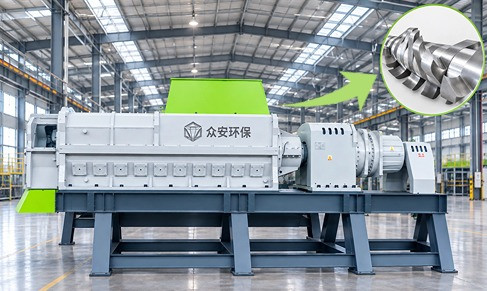
The ZAECOTECH PCB/E-Waste Shredder uses two main shafts that rotate relative to each other. Movable blades and spacers work together to shear and tear incoming materials into smaller pieces. This design is suitable for processing circuit boards, computer hardware, and other electronic scrap.
Anti-Winding Structure
Cables and flexible components can become tangled during shredding and interrupt continuous operation. Fixed blades installed on both sides of the working knife box help prevent material winding and support more stable processing.
Flexible Equipment Configuration
Different electronic waste streams require different processing conditions. The shredder can be configured according to material type, required capacity, and downstream output requirements. An optional sealed chamber can also be considered when the project requires additional dust containment.
ZAECOTECH provides PCB and e-waste shredding equipment for electronic scrap pre-processing. Its dual-shaft shearing structure helps reduce material size and prepares the output for subsequent crushing, separation, or metal recovery.
Shredding is an important pre-treatment step in electronic waste recycling. It reduces the size of electronic scrap and prepares the material for downstream separation and recovery. However, shredding alone does not complete the recovery of copper, gold, or other valuable metals.
A typical mechanical e-waste recycling process may include the following stages:
Pre-sorting and Dismantling: Remove batteries, hazardous components, and parts that require separate treatment. Sort suitable electronic scrap by material type.
Primary Shredding: Use an industrial e-waste shredder to reduce the size of circuit boards, computer components, and other electronic scrap.
Secondary Crushing: Further reduce the particle size when required by the separation process.
Magnetic Separation: Recover ferrous metals such as iron and steel from the processed material.
Eddy Current Separation: Separate suitable non-ferrous metals, such as aluminum and other conductive materials, from the remaining mixture.
Further Metal Recovery: Send PCB-rich fractions or other metal-bearing materials to appropriate specialized processes for copper and precious metal recovery.
Different electronic waste streams require different treatment methods. For example, PCB recycling may involve additional fine crushing, physical separation, and specialized metallurgical processes to recover copper, gold, and silver.
For recycling businesses, the value of shredding lies in preparing a more manageable and consistent feed for downstream equipment. A properly configured pre-treatment system can help improve material handling and support more efficient resource recovery.
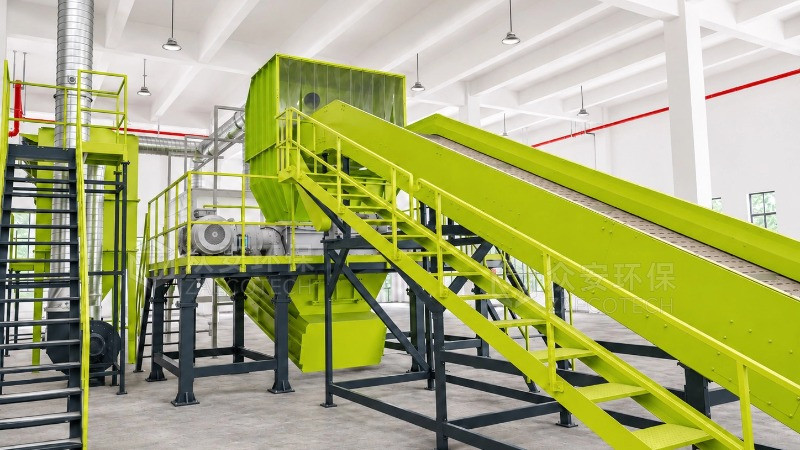
The right e-waste recycling line depends on the type of electronic waste, daily processing volume, required output, and final recovery method. Before purchasing equipment, recycling businesses should evaluate the following factors.
Identify the Incoming Waste Materials
Determine whether the facility will process PCBs, computers, servers, hard drives, consumer electronics, or mixed electronic scrap. Different materials may require separate pre-sorting and processing arrangements.
Determine the Required Processing Capacity
Estimate the amount of electronic waste to be processed per hour or per day. The shredder model should match the actual feed volume and operating schedule. Capacity should be assessed based on representative material samples rather than machine specifications alone.
Define the Required Output Size
The target particle size depends on the next processing stage. Primary shredding may be sufficient for preliminary size reduction, while metal separation and fine recovery processes may require additional crushing or grinding.
Select the Appropriate Separation Equipment
A basic pre-treatment system may include a feeding conveyor and shredder. For material recovery, additional equipment such as secondary crushers, magnetic separators, eddy current separators, screening units, and dust collection systems may be required.
Consider Safety, Dust Control, and Maintenance
Electronic waste may contain hazardous substances and fine particles. Appropriate pre-sorting, dust control, protective measures, and maintenance access should be considered during plant design. Equipment configuration should also account for local operating conditions and available power supply.
ZAECOTECH provides customized e-waste shredding solutions based on material composition, processing capacity, output requirements, and installation conditions. Whether you need a standalone PCB shredder or a complete electronic waste pre-processing line, the equipment configuration can be developed around your recycling objectives.
Textile Waste to RDF Production Line: How to Turn Textile Waste into Alternative Fuel?
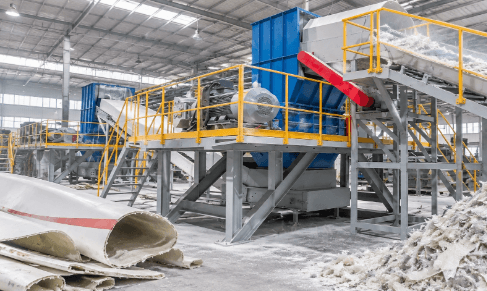
Solving Glass Fiber Dust Hazards and Rapid Blade Wear in End-of-Life Wind Rotor Recycling Plants
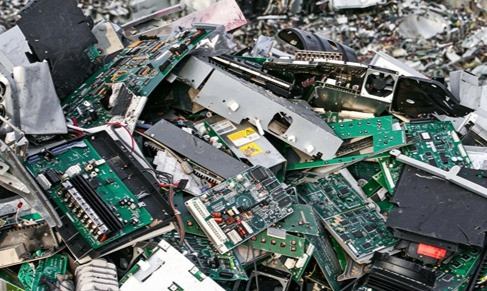
E Waste Shredder in South Africa for PCB and Electronic Waste Recycling
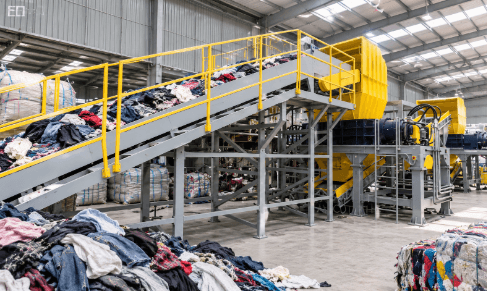
High-Capacity Textile Shredding Solutions: From Baled Garments to Clean Shoddy Fiber Opening


 中文


