
A textile waste to RDF production line converts discarded clothing, fabric scraps, and industrial textile waste into alternative fuel through sorting, shredding, and size reduction. For waste processors and RDF producers, textile waste offers another potential fuel source, especially when conventional recycling is difficult. However, fiber wrapping, inconsistent particle sizes, and processing capacity can affect production efficiency. Choosing the right shredding equipment is essential for stable RDF preparation.
Compared to mixed municipal solid waste (MSW)—which suffers from high moisture and heavy inert contamination—industrial and post-consumer textile waste offers exceptional fuel characteristics for cement kilns and industrial boilers:
High Calorific Value (4,000–5,200 kcal/kg): Synthetic textiles such as polyester, nylon, and polypropylene blends deliver net calorific values between 4,000 and 5,200 kcal/kg, rivaling or exceeding sub-bituminous coal.
Low Moisture Content (<15%): Garment factory cutting scraps and sorted textiles typically contain less than 15% moisture, eliminating the need for energy-intensive thermal drying prior to shredding.
Low Chlorine, Sulfur, and Ash Levels: Clean textile feedstocks produce minimal corrosive chlorine gases and low residual ash during combustion, protecting cement kiln refractory linings and reducing fossil coal consumption.
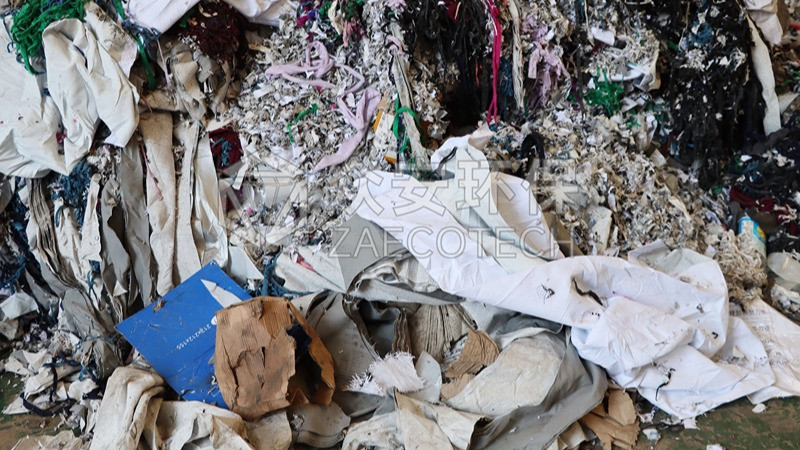
Long and flexible textile fibers can easily wrap around shredder shafts, accumulate inside the cutting chamber, and interfere with continuous feeding. These problems may lead to unstable operation, frequent cleaning, and increased maintenance requirements.
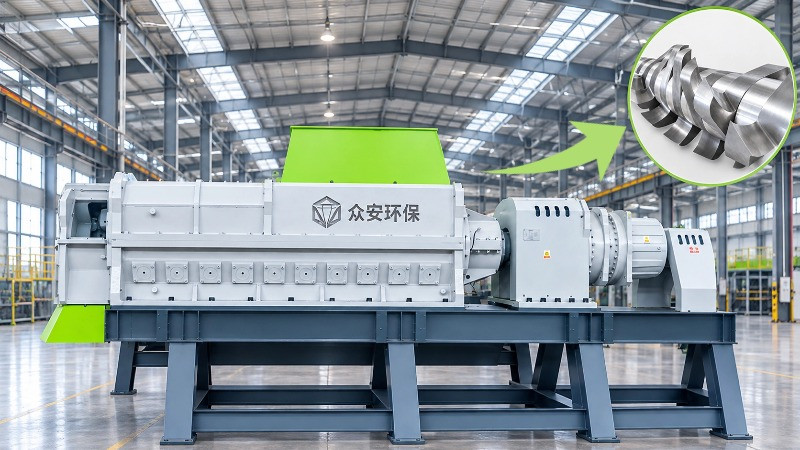
ZAECOTECH's Single-shaft Spiral Shredder, is designed to process flexible materials such as textiles. Its spiral cutter arrangement helps improve the cutting of long fibers and reduce the risk of material wrapping around the rotor. Wear-resistant blades with hardfacing repair also help extend blade service life and reduce maintenance pressure.
For textile waste with different fiber structures and feeding conditions, the cutting configuration can be selected according to the material characteristics and required output.
This design helps textile processors achieve more stable size reduction and prepare a manageable feedstock for downstream RDF production.
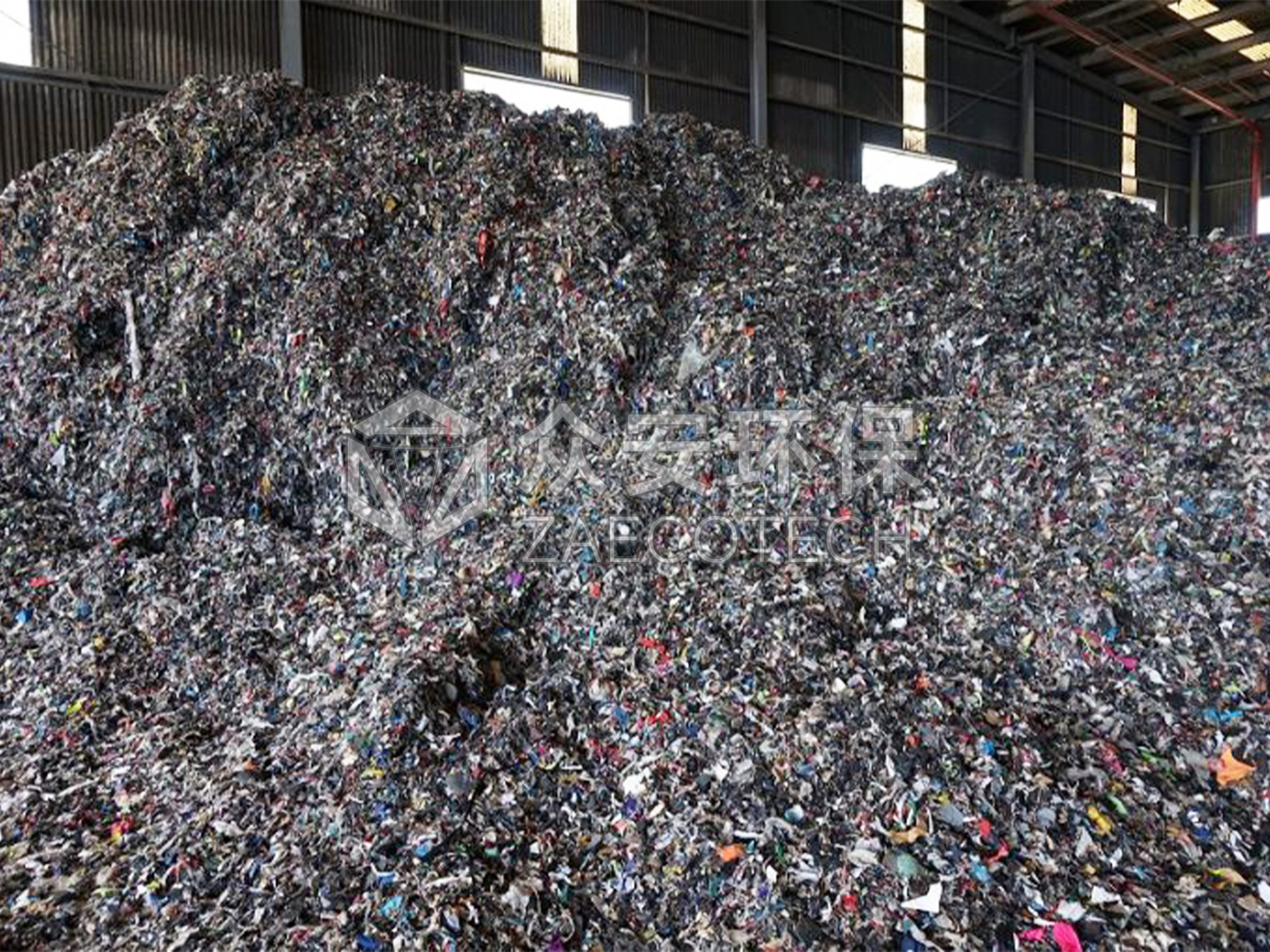
Particle size directly affects material handling, storage, conveying, and feeding into downstream fuel systems. Different cement kilns and industrial combustion systems may require different RDF particle sizes.
ZAECOTECH's Single-shaft Spiral Shredder offers an adjustable output range of 20–100 mm, allowing the equipment to be configured according to the required fuel specifications. For projects requiring finer and more consistent output, a two-stage process can be adopted: primary shredding for initial size reduction, followed by secondary shredding with a single-shaft rotary shredder.
In one ZAECOTECH RDF production project, the single-shaft rotary shredder was used as a secondary processing unit to refine pre-shredded waste. The system achieved an output size of approximately 30 mm at a processing capacity of 8–12 t/h, preparing alternative fuel for cement kiln applications.
This project demonstrates how secondary shredding can help control particle size and improve the consistency of RDF feedstock. Actual output requirements should always be confirmed with the downstream fuel user.
The required processing capacity depends on the daily volume of textile waste, operating hours, material composition, feeding conditions, and target particle size. ZAECOTECH provides different single-shaft rotary shredder models to match different production requirements.
| Model | Reference Capacity | Adjustable Output Size |
|---|---|---|
| XG90 | 1–3 t/h | 20–100 mm |
| XG120 | 3–6 t/h | 20–100 mm |
| XG210 | 5–9 t/h | 20–100 mm |
| XG290 | 7–12 t/h | 20–100 mm |
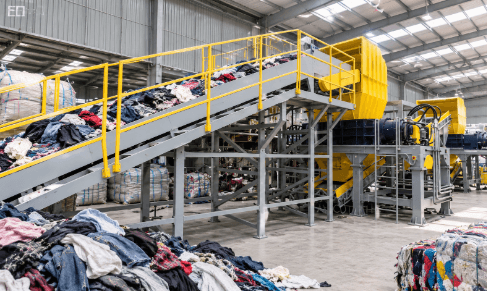
A typical textile waste to RDF processing line may include:
Sorting → Feeding Conveyor → Primary Shredding (if required) → Single-shaft Spiral Shredding → RDF Storage or Conveying
For large textile rolls, tightly baled clothing, or oversized fabric waste, a primary shredder can be installed before the spiral shredder. The latter then performs secondary size reduction to achieve the required particle size.
ZAECOTECH can configure the shredding system according to the customer's material, target capacity, output requirements, and site conditions.
Textile Waste to RDF Production Line: How to Turn Textile Waste into Alternative Fuel?
Solving Glass Fiber Dust Hazards and Rapid Blade Wear in End-of-Life Wind Rotor Recycling Plants
E Waste Shredder in South Africa for PCB and Electronic Waste Recycling
High-Capacity Textile Shredding Solutions: From Baled Garments to Clean Shoddy Fiber Opening


 中文


