
Refuse-Derived Fuel (RDF) is a type of standardized alternative solid fuel. Suitable feedstocks cover municipal solid waste, commercial and industrial combustible waste, non-recyclable waste plastics, waste paper, cardboard, textile scraps and wood residues. As a low-carbon alternative to fossil fuels, RDF is commonly co-fired in cement kilns, lime kilns, waste-to-energy facilities, industrial boilers and CHP plants, and also used in pulp and paper manufacturing. It reduces waste going to landfills and lowers dependence on coal and other fossil fuels.
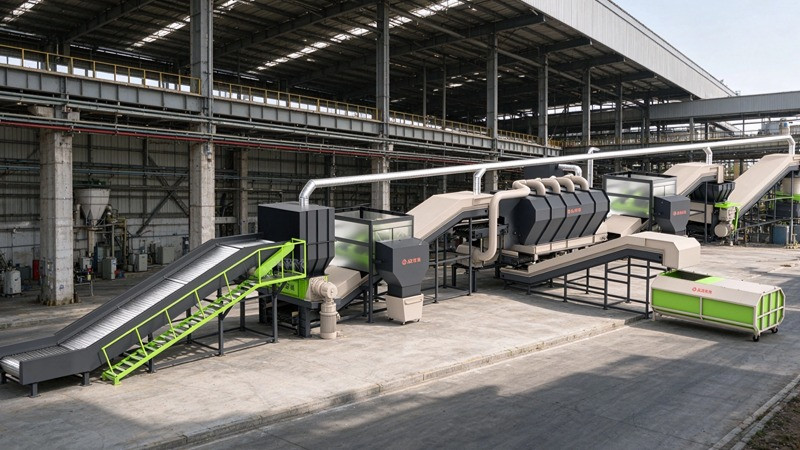
The typical RDF production process starts with waste feeding to primary shredding, magnetic separation for ferrous metals, and wind sifter to separate light combustibles. A second fine shredding step reduces material to target particle size. Drying is applied when moisture is too high. After homogenization, the material can be pelletized or briquetted, then sent to storage for end use.
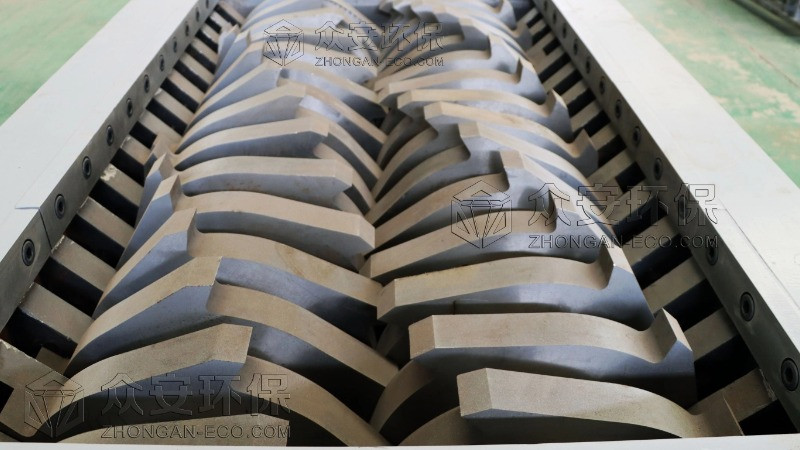
ZAECOTECH shredders form the backbone of reliable RDF production. Our shredder frame adopts integral annealing and one-piece machining design, making maintenance quick and convenient. High alloy steel blades deliver consistent performance to keep your line running steadily. Equipped with intelligent control cabinets, the shredding system support fully automated operation. We customize shredder specifications based on customers’ local waste composition, target throughput and end applications of RDF.
Before investing in an RDF line, you need to check two basic things: the waste specifications and processing targets. Waste composition varies from region to region. Confirm your actual hourly throughput and required particle size. It also matters how the RDF will be used downstream — whether for nearby cement kilns, power plants or others. It’s wise to lock in end buyers early. A steady downstream outlet is the foundation for a profitable RDF project.
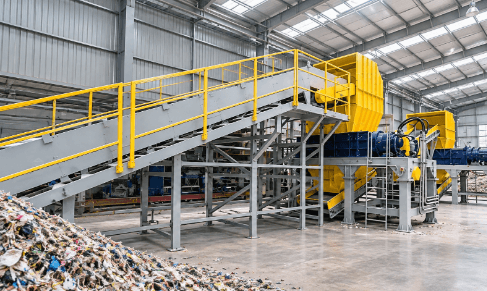
How Complete RDF Production Lines Turn Mixed Industrial and Municipal Waste Into High-Calorific Cement Kiln Fuel

How MSW Pre-Shredders Optimize Municipal Solid Waste Sorting and RDF Production

Why Do You Need an RDF Double Shaft Primary Shredder?
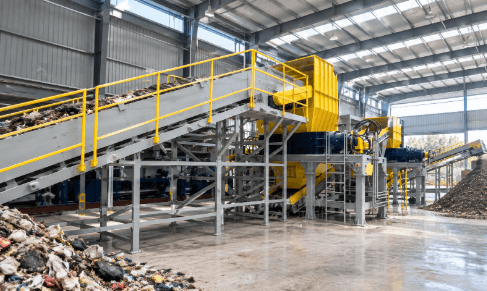
Choosing the Right RDF Pellet Machine Manufacturer for Industrial Waste Projects


 中文


