
Cement manufacturing ranks among the most energy-intensive heavy industries globally, requiring vast quantities of continuous thermal energy to sustain rotary kiln temperatures above 1,450 degrees Celsius for clinker calcination. Historically, cement producers relied almost exclusively on pulverized bituminous coal and petroleum coke. However, volatile fossil fuel prices, stringent carbon emission caps, and aggressive decarbonization targets have compelled cement operators worldwide to maximize their Thermal Substitution Rate (TSR) using Refuse-Derived Fuel (RDF) and Solid Recovered Fuel (SRF). Simultaneously, municipal waste authorities and commercial waste haulers face mounting pressure to divert non-recyclable plastics, packaging, textiles, and paper rejects away from sanitary landfills.
Bridging the gap between chaotic, raw waste streams and the strict fuel specifications of a modern cement kiln requires far more than a single standalone crusher. Cement kiln burners demand an engineered alternative fuel characterized by a high net calorific value (typically 4,200 to 5,500 kcal/kg), controlled moisture below 15 percent, low chlorine content (less than 0.8 percent to prevent kiln preheater ring buildup), zero tramp metal, and uniform particle dimensions (typically sub-30 mm or sub-50 mm) suitable for uninterrupted pneumatic injection. Deploying a complete RDF production line—integrating heavy-duty low-speed primary pre-shredding, multi-stage ferrous and non-ferrous metal extraction, ballistic and air density classification, thermal moisture reduction, and micro-gap secondary fine shredding—transforms unsorted municipal and commercial refuse into a consistent, coal-replacing industrial fuel. This comprehensive technical guide examines raw feedstock rheology, multi-stage separation physics, chlorine and moisture control, and full-line engineering layouts for optimizing cement kiln RDF preparation.
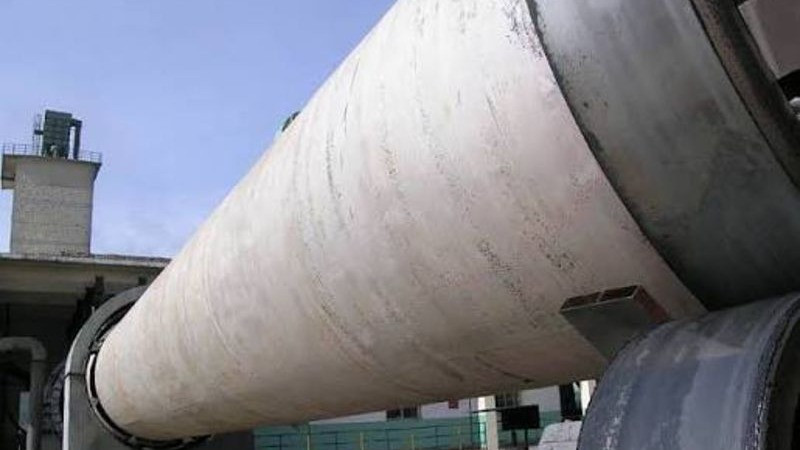
To design a reliable RDF processing plant, engineers must work backward from the operational tolerances of rotary cement kilns and precalciner burners:
Uniform Particle Geometry for Pneumatic Conveying: Fluff RDF injected into main kiln burners or precalciners travels through high-velocity pneumatic pipelines and rotary airlocks. Oversized plastic strips, tangled textile knots, or long wooden splinters cause immediate pipeline blockages and erratic flame profiles.
Strict Chlorine and Heavy Metal Limits: High concentrations of Polyvinyl Chloride (PVC) plastics introduce chlorine into the kiln atmosphere, causing severe alkali-chloride buildup, cyclone blockages, and steel shell corrosion. Effective RDF lines must actively segregate dense PVC fractions from clean polyolefin (PE/PP) plastics and paper.
High Calorific Stability and Low Moisture Content: Excess moisture consumes kiln heat energy for water evaporation, lowering flame temperatures and destabilizing clinker quality. Removing wet food waste and applying controlled drying elevates net calorific value and ensures steady combustion.
Zero Metallic or Inert Abrasive Contaminants: Stray steel wires, aluminum fragments, stones, and glass cullet erode pneumatic transport elbows, damage rotary dosing valves, and alter the chemical composition of cement clinker.
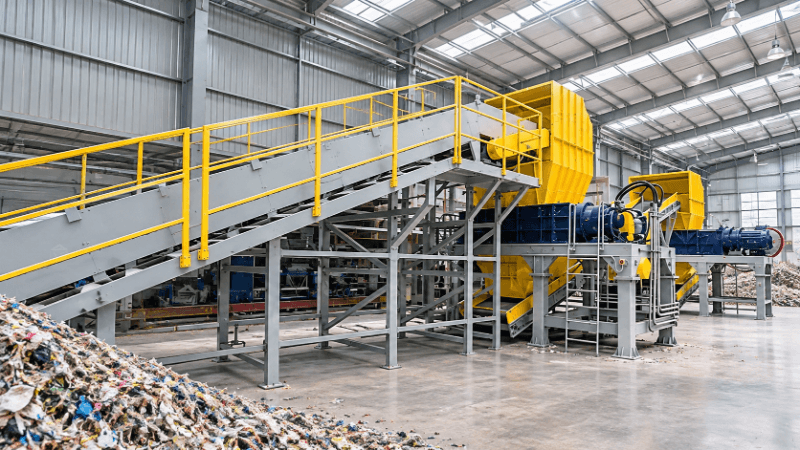
Transforming heterogeneous municipal solid waste (MSW) and commercial/industrial (C&I) waste into specification-grade cement kiln fuel requires a synchronized, multi-stage mechanical and aerodynamic process:
Raw waste unloaded on the tipping floor is metered via a heavy-duty steel apron conveyor into a low-speed, high-torque twin-shaft primary shredder (operating at 12 to 25 RPM). Equipped with aggressive hook-profile cutting disks and intelligent PLC auto-reversing drives, the primary shredder bursts closed garbage sacks, tears apart bulky packaging, and reduces mixed waste down to uniform 150 mm to 300 mm coarse fractions without pulverizing glass or triggering dust explosions.
Liberated coarse material passes beneath suspended cross-belt overband magnetic separators featuring deep-reaching neodymium magnet cores to extract steel cans, wire strapping, and iron scrap. Immediately downstream, an eddy current separator uses a high-speed alternating magnetic rotor to eject conductive non-ferrous metals—such as aluminum cans and copper fittings—recovering valuable metal commodities while protecting downstream fine shredder blades.
The metal-free stream enters a rotary trommel screen or oscillating ballistic separator to segregate fractions by physical size, density, and rigidity:
Fine Organic & Inert Undersize (Sub-50 mm): Wet food residues, sand, grit, and glass shards drop through screen perforations, instantly stripping away high-moisture and chlorine-bearing organic salts from the fuel stream.
Heavy 3D Inert Fraction: Stones, ceramics, thick rubber, and dense rigid plastics roll downward off the ballistic paddles.
Light 2D High-Calorific Fraction: Flexible polyethylene films, polypropylene packaging, cardboard, paper, and textiles climb upward, forming the core high-energy feedstock for RDF production.
To eliminate lingering heavy contaminants and high-chlorine PVC items, the 2D combustible stream passes through a high-precision zig-zag air classifier. A calibrated upward airstream lifts light, high-calorific films and dry fibers into the fuel chute, while denser PVC cables, thick rubber pieces, and damp wood sink cleanly against the airflow into the reject bin. For ultra-strict SRF grades, inline Near-Infrared (NIR) optical sorters scan the belt and eject remaining chlorinated plastics via high-pressure air jets.
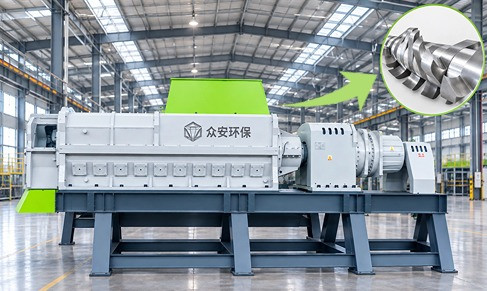
The purified, lightweight combustible stream is fed into a heavy-duty single-shaft secondary fine shredder equipped with an active hydraulic pusher ram, anti-wrapping comb scrapers, and a calibrated perforated screen cradle. Precision-ground rotor knives pass stationary bed knives with tight micro-gap tolerances (0.5 mm to 1.2 mm), slicing tough plastic films and synthetic textiles cleanly into uniform 20 mm to 30 mm (or sub-50 mm) fluff RDF without shaft wrapping or thermal melting.
When processing high-moisture municipal waste or supplying distant cement plants, the fine RDF fluff passes through a low-temperature belt or rotary drum dryer—often utilizing waste industrial heat—to reduce moisture below 12 to 15 percent. Facilities requiring compact storage and long-haul transport then route the dried fluff through heavy-duty ring-die pellet mills or briquetting presses to produce dense, dust-free RDF pellets.
The table below highlights the critical operational and fuel quality differences between basic single-machine waste shredding and a fully engineered multi-stage RDF production line:
| Fuel & Operational Metric | Basic Single-Stage Waste Shredding | Complete Multi-Stage RDF Production Line |
|---|---|---|
| Net Calorific Value (NCV) | Erratic (2,500–3,200 kcal/kg) due to retained wet organics, stones, and glass. | High & Consistent (4,200–5,500 kcal/kg) matching high-grade industrial fuel specs. |
| Chlorine & Inert Contamination | High PVC, food salt, and metal content causes severe cement kiln ring buildup. | Multi-Stage Screening & Air Sifting reduces chlorine below 0.8% and removes metals. |
| Particle Size & Pneumatic Flow | Long uncut plastic films and textile strips clog kiln rotary airlocks and pipes. | Micro-Gap Secondary Fine Shredding produces uniform 20–30 mm free-flowing fluff. |
| Secondary Cutter Longevity | Unremoved tramp steel and stones shatter fine knives within hours of operation. | Upstream Magnetic & Density Separation extends fine cutter life by over 300%. |
Operating a multi-shift RDF production facility requires rugged mechanical components engineered to resist continuous abrasion while preventing dust and fire hazards:
Vacuum-Hardened Four-Way Indexable Cutters: Secondary fine shredder knives are forged from high-carbon, high-chromium cold-work tool steels (such as D2 or DC53) and vacuum heat-treated to 56–58 HRC. Four-way indexable concave square inserts allow operators to rotate worn edges four times before replacement, minimizing downtime.
Hardox 500 Chamber and Chute Armoring: Primary shredder hoppers, hydraulic pusher faceplates, air classifier impact zones, and transfer chutes are lined with replaceable, bolt-on Hardox 500 wear plates to withstand sliding abrasion from grit and mineral fillers.
Spark Detection and Pulse-Jet Dust Filtration: High-speed fine shredding and pneumatic conveying generate fine combustible dust. Complete RDF lines integrate enclosed hoods connected to negative-pressure pulse-jet baghouse dust collectors fitted with infrared spark detectors, explosion venting panels, and automated water-mist suppression systems.
Transforming mixed municipal and commercial waste into high-calorific cement kiln fuel requires a disciplined, multi-stage process engineering approach. By combining low-speed high-torque primary pre-shredding, automated ferrous and non-ferrous metal extraction, ballistic and air density classification, and micro-gap secondary fine shredding, complete RDF production lines consistently meet the strict thermal, chemical, and pneumatic conveying standards of modern cement manufacturers. This integrated system maximizes landfill diversion, generates steady revenue from alternative fuel sales, and empowers cement producers to replace fossil coal safely and economically.
Textile Waste to RDF Production Line: How to Turn Textile Waste into Alternative Fuel?
Solving Glass Fiber Dust Hazards and Rapid Blade Wear in End-of-Life Wind Rotor Recycling Plants
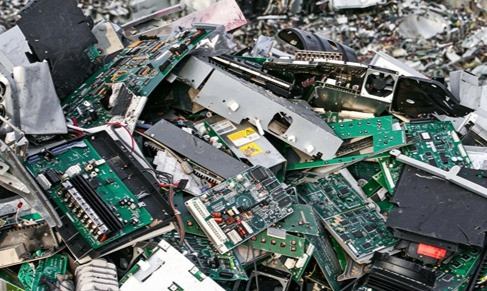
E Waste Shredder in South Africa for PCB and Electronic Waste Recycling
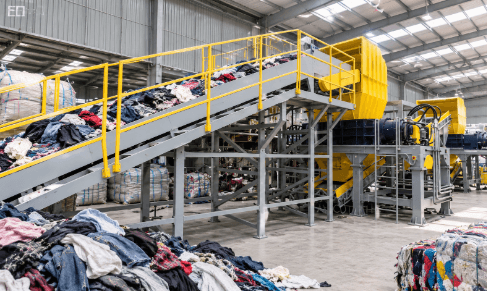
High-Capacity Textile Shredding Solutions: From Baled Garments to Clean Shoddy Fiber Opening


 中文


