
Processing scrap aluminum—ranging from hollow window and door profiles to baled used beverage cans (UBCs), automotive radiators, and die-cast components—presents major logistical and metallurgical challenges for metal recyclers and secondary aluminum smelters. Bulky, low-density aluminum scrap drives up transport freight costs, while feeding oversized pieces directly into melting furnaces leads to uneven heating and excessive oxidation burn-off losses.
Deploying a heavy-duty twin-shaft aluminum shredder resolves these bottlenecks through controlled, low-speed mechanical shearing. Below is a complete technical Q&A guide explaining how twin-shaft aluminum shredders operate, why they outperform traditional high-speed crushers, and how they maximize downstream smelting profits.
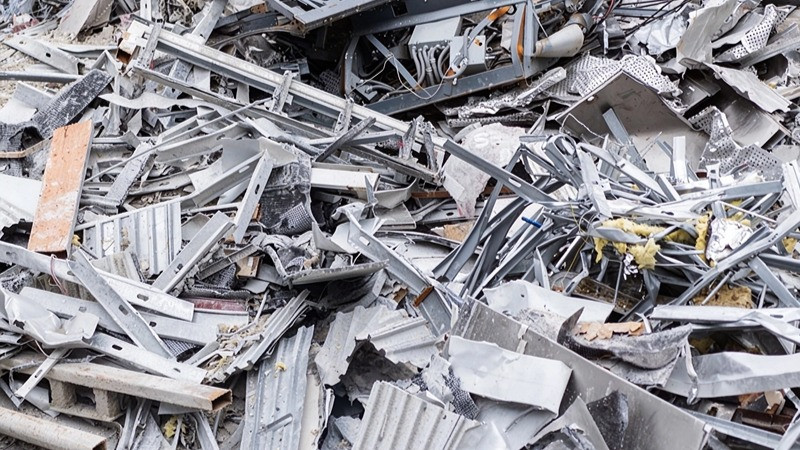
Conventional high-speed hammer mills and un-shredded bulk loading create three major operational headaches in aluminum recycling facilities:
Low Bulk Density and High Furnace Burn-Off Loss: Hollow architectural profiles and loose aluminum castings occupy massive truck volume during transport. When charged directly into smelting furnaces, large hollow pieces float on top of the molten bath, causing oxidation burn-off losses of 8% to 12%.
Ductile Metal Wrapping and Rotor Jamming: Aluminum alloys possess high ductility and toughness. In high-speed impact grinders, thin aluminum sheets and long extrusions stretch, wrap tightly around high-RPM rotors, and clog discharge grates, triggering motor overloads and shaft damage.
Combustible Aluminum Dust and Metal Loss: High-speed pulverizing grinds thin aluminum into fine airborne dust. Beyond creating severe dust explosion hazards on the factory floor, fine aluminum powder is drawn into dust collectors or oxidizes instantly in the furnace, resulting in 3% to 5% direct metal weight loss.
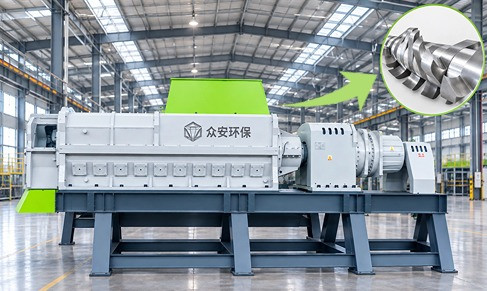
Unlike high-speed grinders that shatter materials via kinetic impact, the ZAECOTECH Aluminum Shredder operates on a low-speed, high-torque physical shearing principle:
Heavy-Duty Feed & Hook-Tooth Engagement: Scrap aluminum is loaded into a wide hopper. Two parallel, counter-rotating cutter shafts equipped with staggered hook-tooth blades grab and pull bulky profiles, UBC bales, and castings downward into the cutting zone.
Four-Stage Mechanical Shearing: Driven by high-torque gearboxes, the interlocking alloy blades subject the metal to continuous biting, shearing, tearing, and compression, cleanly slicing thick walls and crushing hollow cavities without generating frictional heat.
Controlled Uniform Discharge: Sheared aluminum pieces drop smoothly through the bottom discharge opening without screen blinding, yielding uniform, high-density chunks sized between 30 mm and 100 mm (customized via blade thickness).
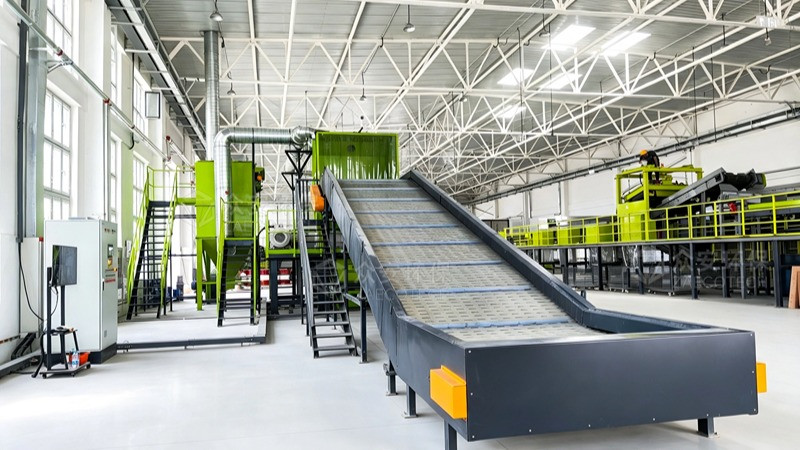
Switching from high-speed impact mills to twin-shaft shearing technology delivers immediate safety and operating cost (OpEx) improvements:
Over 80% Reduction in Fine Aluminum Dust: Because low-speed cutting slices aluminum cleanly rather than pulverizing it, airborne aluminum dust generation drops by over 80%. This eliminates dust explosion risks, keeps workshop air clean, and preserves maximum recoverable metal weight.
15% to 20% Lower Specific Energy Consumption: High-torque, low-RPM shearing converts mechanical energy directly into cutting force rather than wasting power on high-speed rotor windage and friction, lowering electricity consumption per ton by 15% to 20%.
Quiet, Low-Vibration Operation: Operating at low rotational speeds significantly reduces mechanical vibration and ambient factory noise compared to violent hammer-mill crushing.
Industrial aluminum scrap streams frequently contain tough cast alloys, thick structural extrusions, or occasional un-shreddable tramp steel. ZAECOTECH engineers dual layers of mechanical and electronic protection into every unit:
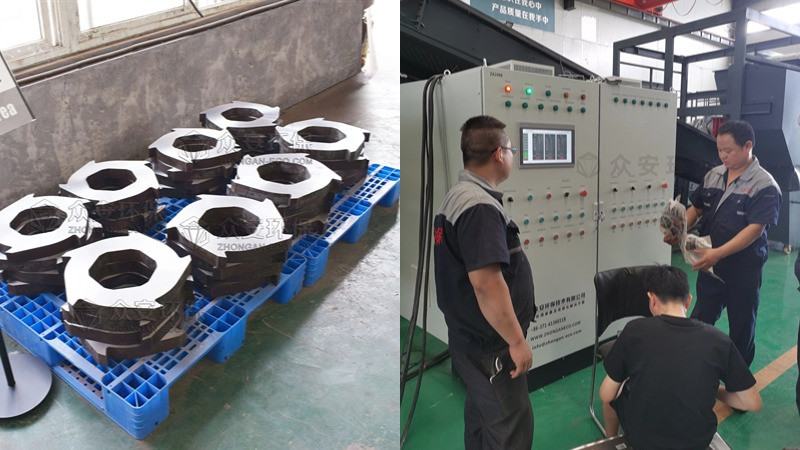
Forged High-Toughness Alloy Steel Cutters: The cutting discs are forged from imported, wear-resistant alloy tool steel with specialized heat treatment to resist chipping under heavy shock loads. This extends cutter service life by 30% to 50%, and worn blades can be re-indexed or restored via hard-facing welding to cut maintenance downtime by 40%.
Sub-10ms Intelligent PLC Overload Protection: Smart sensors monitor motor current and drive load in real time. If an un-shreddable solid steel shaft or extreme overload occurs, the PLC system triggers automatic shaft reversal in under 10 milliseconds, backing out the obstruction smoothly before resuming forward operation.
Transforming bulky, hollow aluminum scrap into compact, uniform 30–100 mm chips creates immediate value across transport and metallurgical operations:
70% to 85% Volume Reduction: Crushing hollow profiles and loose bales compresses scrap volume by 70% to 85%, allowing recyclers to double truck payload weights and slash regional logistics costs.
Higher Furnace Charging Density & Faster Melting: Uniformly sized aluminum chips pack tightly inside smelting furnaces, accelerating heat transfer, shortening melting cycles, and reducing oxidation dross losses by 3% to 5%.
Premium Feedstock for Secondary Ingot Production: Clean, high-density shredded aluminum commands top market prices from secondary aluminum foundries producing die-casting alloys, billets, and rolled aluminum products.
Selecting the ideal industrial aluminum shredder depends on your specific feedstock mix—such as architectural extrusions, UBC bales, or automotive castings—along with your hourly throughput targets and desired output chip size.
ZAECOTECH designs and manufactures tailored aluminum shredding systems complete with heavy-duty feeding conveyors, discharge belts, and custom blade configurations backed by global engineering support.
Ready to maximize your aluminum recovery yield and cut transport and smelting losses? Contact the ZAECOTECH engineering team today to request custom equipment specifications and a detailed technical quotation.
Textile Waste to RDF Production Line: How to Turn Textile Waste into Alternative Fuel?
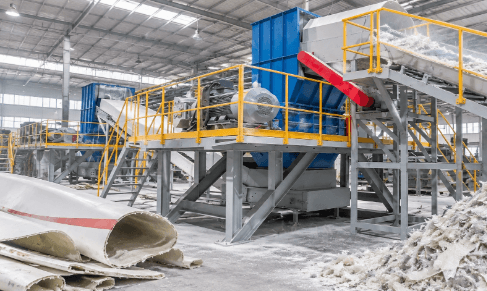
Solving Glass Fiber Dust Hazards and Rapid Blade Wear in End-of-Life Wind Rotor Recycling Plants
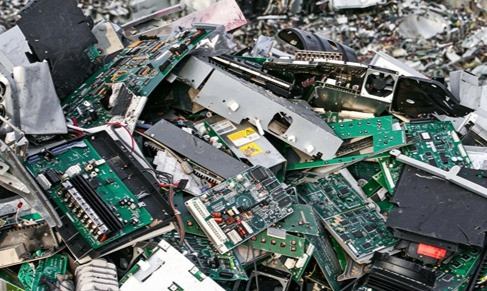
E Waste Shredder in South Africa for PCB and Electronic Waste Recycling
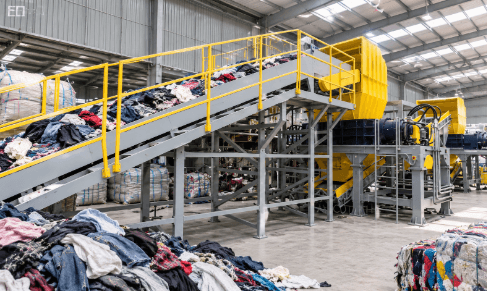
High-Capacity Textile Shredding Solutions: From Baled Garments to Clean Shoddy Fiber Opening


 中文


