
How much does an agricultural shredder machine cost in India? The answer depends on the type of agricultural waste, required processing capacity, output size, and equipment configuration. A machine designed for loose wheat straw may require a different feeding and shredding setup from one processing baled paddy straw, corn stalks, or sugarcane residues.
India has substantial agricultural biomass resources. According to the Press Information Bureau of India, the country generates an estimated 350 million tonnes of agricultural waste annually, with agricultural residues having the potential to generate more than 18,000 MW of power each year. These resources create opportunities for biomass fuel production, renewable energy, and agricultural waste recycling.
For biomass processing businesses, an industrial agricultural shredder is an important first step. It reduces bulky crop residues into smaller, more manageable pieces for transportation, storage, and further processing. This article explains the main factors affecting equipment costs, machine specifications, processing applications, and how to select a suitable agricultural shredding solution.
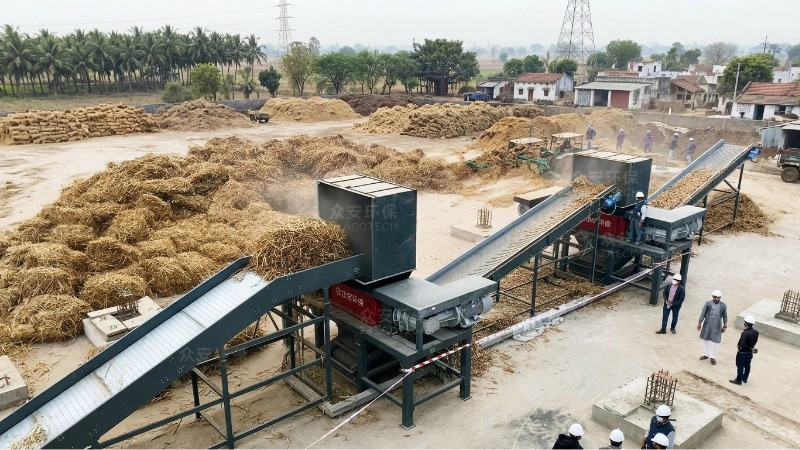
There is no single price for every agricultural shredder machine. The investment depends on the machine's technical configuration and the requirements of the entire processing project.
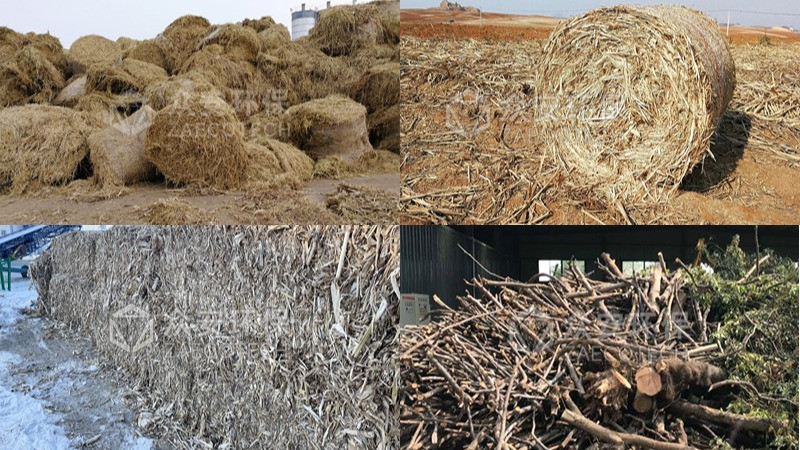
Different agricultural materials have different physical characteristics.
Wheat and paddy straw: Long fibers and low bulk density require suitable feeding and anti-wrapping designs.
Corn stalks: Their size, hardness, and moisture content influence shredding performance.
Sugarcane leaves and bagasse: Fibrous structures and moisture levels need to be considered when selecting the machine.
Wood waste and forestry residues: Hardness and material dimensions affect the required cutting configuration and wear resistance.
Before requesting a quotation, buyers should provide representative material samples or clear information about the feedstock.
A machine designed for a small agricultural recycling facility will have different power and structural requirements from equipment used in a large biomass power plant.
Higher processing capacities generally require more robust components, suitable feeding systems, and greater motor power. Buyers should also consider whether the required capacity refers to hourly throughput or total daily processing volume.
The required output size directly affects equipment selection.
If the target is approximately 50–100 mm, a primary biomass shredder may be sufficient. If the downstream process requires smaller particles, a secondary crusher or fine grinding machine may be necessary.
A complete system may also include feeding conveyors, discharge conveyors, screening equipment, and dust collection systems. Therefore, the cost of a standalone shredder is different from the investment required for a complete biomass processing line.
Automatic feeding, PLC control, overload protection, and conveyor integration can improve operating efficiency. Blade material, wear resistance, and maintenance accessibility also affect long-term operating costs.
For an accurate quotation, buyers should evaluate both the initial equipment investment and the expected maintenance requirements.
An industrial agricultural shredder can process various crop residues and biomass materials, provided the machine configuration matches their physical properties.
Wheat and rice straw are common agricultural residues in India. After harvesting, these materials may be loose, baled, or mixed with other impurities. Shredding reduces their volume and prepares them for biomass fuel production, animal bedding, or further processing.
Corn stalks are bulky and fibrous. An industrial shredder can reduce them into smaller pieces to improve conveying, storage, and downstream handling.
Sugarcane leaves and bagasse are important biomass resources from agricultural and sugar-processing activities. Their fiber structure and moisture content should be assessed before selecting the shredding equipment.
Branches, wood offcuts, and other forestry residues can also be processed using suitable industrial shredding equipment. For harder materials, the cutting chamber, shaft design, and blade configuration should be selected accordingly.
The actual processing range depends on the machine model and material conditions. A material test is recommended when the feedstock contains unusual impurities or has high moisture content.
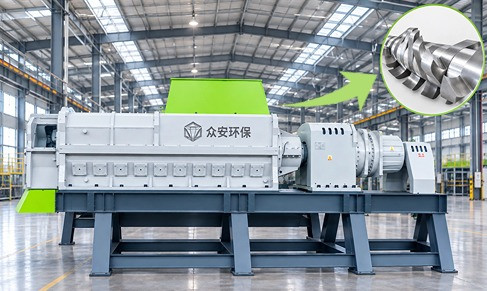
ZAECOTECH's industrial biomass shredder series is designed for agricultural residues, straw, wood waste, and other biomass materials.
The biomass shredder specifications include:
| Parameter | Reference Specification |
|---|---|
| Processing capacity | 15–75 t/h |
| Standard output size | 50–100 mm |
| Power range | 37–110 kW |
| Shredder type | Twin-shaft |
| Typical materials | Straw, stalks, wood waste, and biomass residues |
The series includes four main models:
| Model | Capacity | Output Size |
|---|---|---|
| S522 | 15–25 t/h | 50–100 mm |
| S535 | 25–38 t/h | 50–100 mm |
| S550 | 35–55 t/h | 50–100 mm |
| S570 | 50–75 t/h | 50–100 mm |
These figures are reference specifications. Actual throughput may vary depending on material type, moisture content, input particle size, and feeding conditions. The appropriate model should be selected according to the customer's actual feedstock and operating requirements.
The machine uses a twin-shaft cutting mechanism to process biomass through shearing, tearing, and squeezing. Agricultural residues enter the cutting chamber through a suitable feeding system and are reduced into smaller pieces before being discharged.
For large-scale projects, the shredder can be integrated with chain conveyors, belt conveyors, and secondary crushing equipment to create a continuous processing line.
Shredding is usually the first size-reduction stage in agricultural biomass processing. The complete process depends on the final product and the requirements of the power plant or fuel manufacturer.
Feeding Conveyor → Primary Shredder → Belt Conveyor → Secondary/Fine Crusher → Discharge Conveyor
Feeding: Loose or baled agricultural residues are delivered to the machine.
Primary shredding: The biomass shredder reduces bulky materials into smaller pieces.
Conveying: The shredded material is transferred to the next processing stage.
Secondary crushing: Additional size reduction is performed when finer particles are required.
Final handling: The processed biomass is conveyed for storage, fuel preparation, or further production.
Biomass Power Generation
Shredded agricultural residues can be used as feedstock for biomass power plants. Proper size reduction helps improve material handling and supports more stable feeding into downstream equipment.
Biomass Pellet Production
Agricultural residues can be further dried, crushed, and processed into pellets. The required particle size and moisture content depend on the pellet production process.
Industrial Boiler Fuel
Processed straw, stalks, and other biomass materials can be prepared for industrial boilers and other thermal energy applications.
Biogas and Bioenergy Projects
Agricultural residues may also be used in anaerobic digestion and other bioenergy processes. However, the required pretreatment method depends on the feedstock and the biological process. Shredding alone does not guarantee higher biogas production.
ZAECOTECH's biomass shredding system for power plants in South Asia provides a practical example of industrial agricultural waste processing.
Project Overview
Materials: Wheat straw, corn stalks, sugarcane leaves, and bagasse
Processing capacity: 20–40 t/h
Final output size: 20–40 mm
Process flow: Metal chain conveyor → Primary crusher → Belt conveyor → Secondary/fine crusher → Belt conveyor
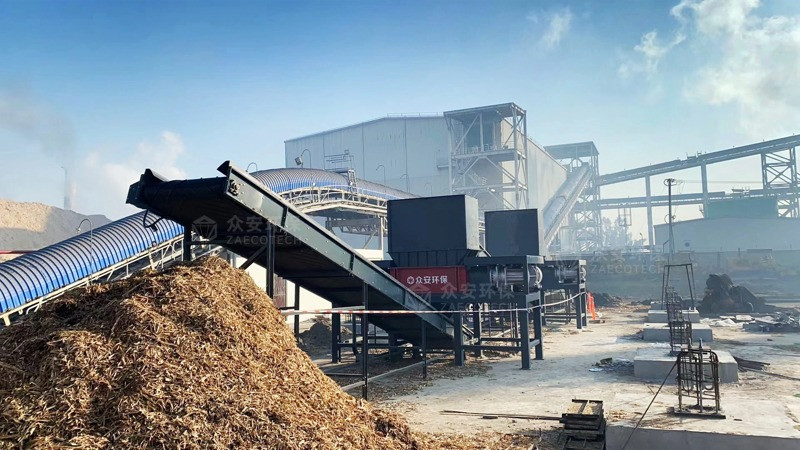
The system uses two-stage size reduction to prepare agricultural residues for downstream power generation. According to the published project information, the customer reported stable operation, high shredding efficiency, and consistent output.
Important: The project's 20–40 mm final output is achieved through the combined primary and secondary crushing process. It is not the standard output specification of the standalone biomass shredder, which is 50–100 mm.
Choosing the right supplier involves more than comparing machine prices. Buyers should evaluate whether the equipment can meet their actual production requirements and provide reliable support throughout the project.
Confirm that the shredder is suitable for the type, size, moisture content, and physical characteristics of your agricultural waste.
Select a model according to your expected hourly throughput and target output size. If finer material is required, ask whether secondary crushing equipment should be included.
Agricultural residues can contain abrasive impurities such as soil and sand. Wear-resistant cutting components and accessible maintenance structures can help reduce downtime and operating costs.
For larger projects, feeding, conveying, secondary crushing, screening, and dust collection may need to work together. A well-matched system can reduce manual handling and improve process continuity.
Before purchasing, ask about installation guidance, spare parts, warranty coverage, and technical assistance. ZAECOTECH provides customized equipment configurations based on material type, capacity, and site conditions. Its standard warranty is 12 months for manufacturing defects and non-human damage.
Textile Waste to RDF Production Line: How to Turn Textile Waste into Alternative Fuel?
Solving Glass Fiber Dust Hazards and Rapid Blade Wear in End-of-Life Wind Rotor Recycling Plants
E Waste Shredder in South Africa for PCB and Electronic Waste Recycling
High-Capacity Textile Shredding Solutions: From Baled Garments to Clean Shoddy Fiber Opening


 中文


