
Processing fiberglass reinforced plastic (FRP/GRP) waste—including discarded storage tanks, chemical pipes, cooling tower housings, boat hulls, and automotive SMC/BMC molding scrap—is a persistent challenge for composite manufacturers and industrial waste recyclers. Because thermoset resins cannot simply be melted down like thermoplastics, bulky FRP scrap often piles up in storage yards, driving up haulage and landfill expenses.
Deploying a heavy-duty fiberglass reinforced plastic shredder solves these operational bottlenecks through low-speed, high-torque shearing, wear-resistant metallurgy, and enclosed dust extraction. Below is a complete Q&A guide explaining how specialized FRP shredders overcome abrasion, cut logistics costs, and turn composite waste into profitable downstream feedstocks.
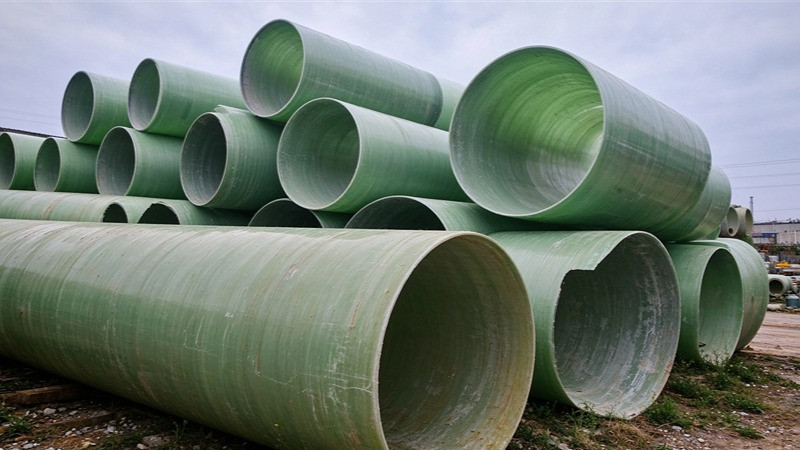
Standard plastic granulators and metal crushers struggle when processing rigid FRP/GRP composites due to three major operational hurdles:
Extreme Glass Fiber Abrasiveness and Rotor Jamming: FRP composites combine tough thermoset resins (polyester or epoxy) with 30% to 70% high-hardness glass fibers. These abrasive fibers dull standard carbon steel blades within hours, while long fiber bundles wrap around high-speed rotors and stall motors.
Bulky Hollow Structures and High Transport Costs: Discarded FRP pipes, tanks, and corrugated roofing panels are rigid, hollow, and impossible to compact with standard balers. Hauling unshredded FRP waste means paying to transport empty air, multiplying regional freight trips and landfill tipping fees.
Irritating Glass Fiber Dust and Compliance Risks: High-speed crushing generates fine, airborne glass fiber particles that irritate workers' skin and respiratory tracts, creating severe occupational health hazards and environmental compliance violations.
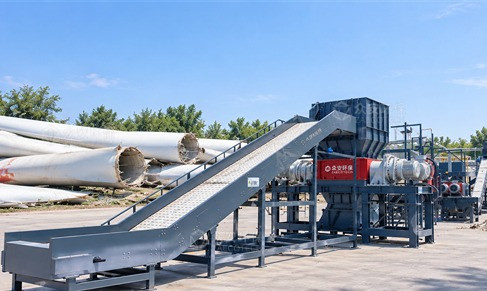
To withstand continuous abrasive cutting without frequent shutdowns, the ZA ECOTECH Fiberglass Shredder integrates reinforced cutter metallurgy with intelligent drive protection:
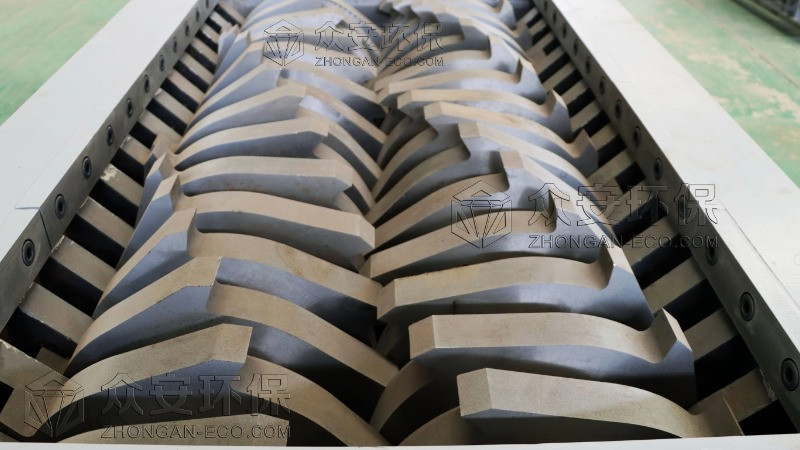
Wear-Resistant Alloy Steel & Hard-Facing Cutters: The shredding discs are forged from high-strength imported alloy steel and reinforced with tungsten-carbide/wear-resistant hard-facing layers. This extends single-cycle blade life by 30% to 50% compared to standard cutters, and worn edges can be restored via on-site hard-facing re-welding, cutting maintenance downtime by 40%.
Low-Speed, High-Torque Shearing & Sub-10ms Auto-Reverse: Operating at low rotational speeds, the twin cutter shafts slice through thick FRP walls cleanly while consuming 15% to 20% less electricity per ton than high-speed grinders. If the blades encounter heavy metal flanges or extreme loads, smart PLC sensors trigger automatic shaft reversal in under 10 milliseconds, preventing jamming and gearbox damage.
Beyond blade durability, an industrial FRP shredding system transforms factory logistics and workshop safety:
70% to 85% Volume Reduction: Wide feeding hoppers accept large FRP panels, pipe sections, and hull offcuts directly without manual pre-cutting. Shredding compresses bulky hollow structures by 70% to 85%, slashing outbound transport trips and disposal costs by 60% to 70%.
Over 99% Closed-Loop Dust Capture Efficiency: The shredding chamber is fully enclosed and connected to negative-pressure ductwork and a high-efficiency pulse-jet baghouse dust collector. Capturing over 99% of airborne glass fiber dust keeps the workshop clean, protects operator health, and ensures strict environmental compliance.
Transforming bulky FRP/GRP scrap into uniform 30–100 mm chips—which can be further pulverized into 40–1250 mesh composite powder—opens profitable circular recovery channels:
Cement Kiln Co-Processing: Shredded FRP chips serve as both an alternative fuel (from the organic resin fraction) and a valuable silica-alumina-calcium raw material substitute (from the glass fiber fraction) in cement kilns.
Recycled Composite Fillers & Molded Products: Finely ground FRP powder replaces virgin calcium carbonate and resin fillers in manufacturing municipal manhole covers, drainage grates, curb stones, logistics pallets, and wood-plastic composite (WPC) profiles.
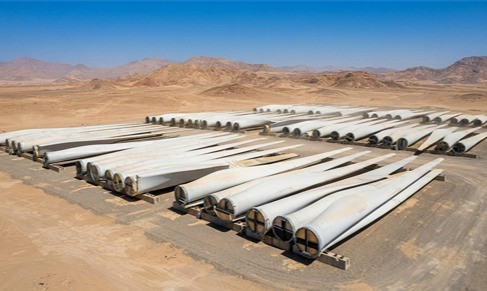
Wind Turbine Blade Recycling in Saudi Arabia: Challenges and Solutions
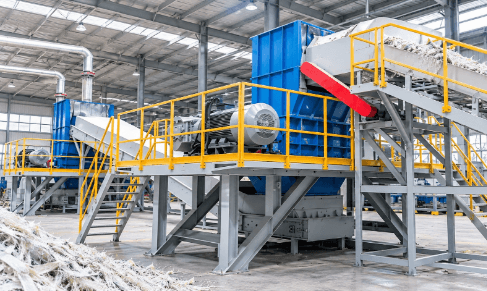
Heavy-Duty Size Reduction for Oversized Wind Turbine Rotor Blades and Carbon Fiber Composites in Spain

How Does a Wind Turbine Blade Recycling Plant Work in the UK?
Industrial Wind Turbine Blade Disposal Australia: Best Shredding System


 中文


