
Choosing the right industrial wood shredder machine is essential for efficient wood waste recycling. Whether processing wooden pallets, timber offcuts, tree branches, logs, or forestry residues, the equipment must handle different material sizes while meeting the required capacity and output specifications.
However, bulky materials, irregular shapes, metal impurities, and blade wear can create challenges during operation. Buyers need to consider more than just processing capacity when selecting equipment.
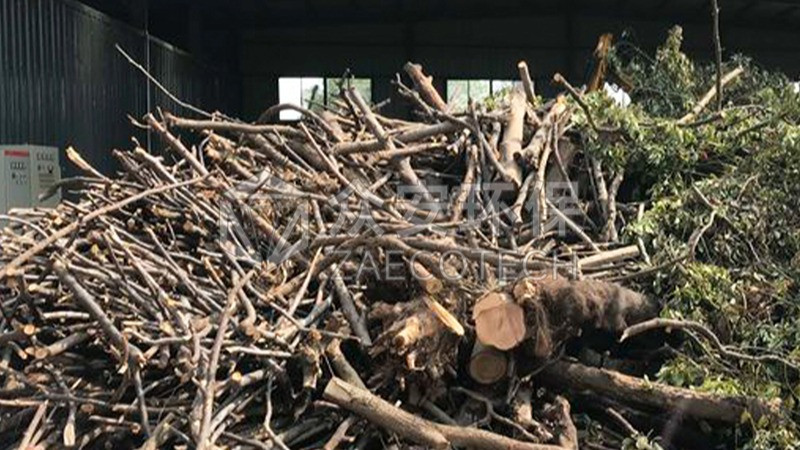
Industrial wood shredders are commonly used to reduce bulky wood waste into smaller pieces for transportation, storage, and further recycling.
Typical materials include:
Waste wooden pallets and packaging materials
Timber offcuts and sawmill residues
Tree branches, logs, and forestry waste
Construction and demolition wood
Woodworking and furniture manufacturing waste
Different materials present different processing challenges. Wooden pallets may contain nails, while branches and logs often have irregular shapes and varying diameters. Wet or dense wood may also affect processing capacity.
ZAECOTECH's industrial wood shredder uses rotating blade shafts to process materials through shearing and tearing. Its main components include a cutting chamber, motor, gearbox, frame, and intelligent operation and maintenance control system.
This configuration is suitable for primary size reduction of various wood and biomass materials. For mixed or contaminated wood waste, feeding methods and impurity removal should also be considered.
Material dimensions directly affect equipment selection. If the cutting chamber is too small, oversized wood may require additional cutting or manual preparation before feeding.
ZAECOTECH four models with different cutting chamber dimensions:
| Model | Cutting Chamber Size (mm) |
|---|---|
| S522 | 1100 × 1600 |
| S535 | 1300 × 1600 |
| S550 | 1400 × 1800 |
| S570 | 1600 × 2000 |
A larger cutting chamber provides more working space for bulky materials. However, cutting chamber dimensions do not directly represent the maximum allowable feeding size. Actual feeding capability also depends on material shape, length, orientation, and feeding equipment.
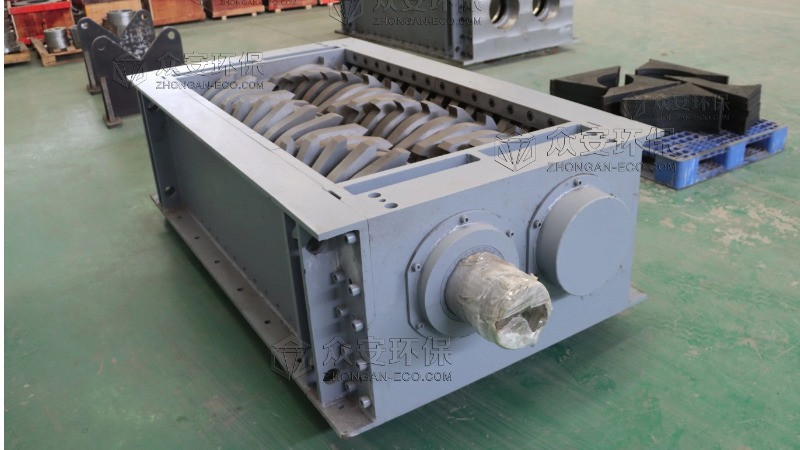
Wooden boards and smaller timber offcuts may be suitable for direct feeding, while large logs or long branches may require preliminary cutting or auxiliary feeding equipment.
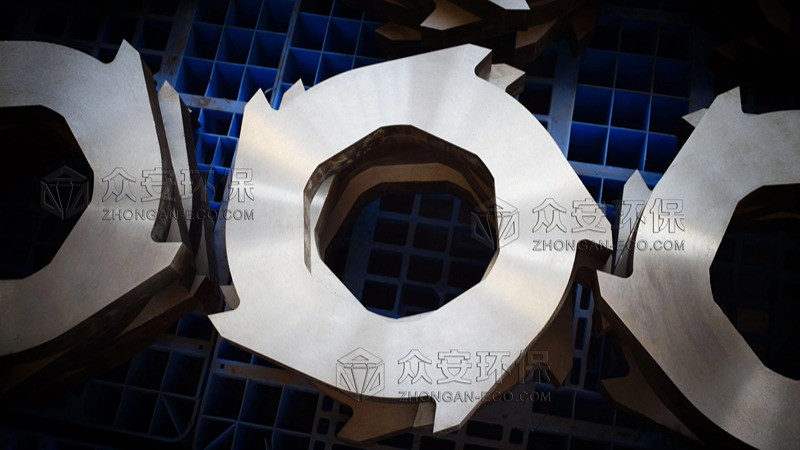
Blade wear is an important concern for wood recycling businesses. Continuous processing, abrasive impurities, and metal components in recovered pallets can gradually affect cutting performance and increase maintenance costs.
ZAECOTECH's cutters are forged from high-strength, impact-resistant imported alloy steel and reinforced with wear-resistant hard-facing welding layers. This extends single-cycle service life by 30% to 50% compared to standard carbon steel blades.
For blades that meet repair requirements, hardfacing or weld build-up can restore worn edges and reduce the need for immediate full replacement. This may help extend component service life and control spare-parts expenses.
However, repair feasibility depends on blade material, remaining thickness, and structural condition. Regular inspection, proper blade clearance, and timely maintenance are also essential.
Material jamming and overloads can interrupt production and increase maintenance requirements. Common causes include excessive feeding, long branches becoming entangled, oversized materials, and hard impurities entering the cutting chamber.
ZAECOTECH's biomass shredder uses a low-speed blade-shaft system to process materials through shearing and tearing. This working principle is suitable for bulky and irregular biomass materials under appropriate feeding conditions.
The machine also features Intelligent PLC Auto-Reverse System, smart sensors continuously monitor motor current and hydraulic pressure. If the cutters encounter an un-shreddable steel bar, heavy hinge, or dense hardwood knot, the PLC automatically triggers shaft reversal in under 10 milliseconds.
A suitable feeding conveyor and controlled material supply can further reduce sudden load fluctuations and improve continuous operation.
Processing capacity and output size are essential when selecting a wood shredder. ZAECOTECH's S522–S570 series offers four capacity options:
| Model | Capacity (t/h) | Output Size (mm) |
|---|---|---|
| S522 | 15–25 | 50–100 |
| S535 | 25–38 | 50–100 |
| S550 | 35–55 | 50–100 |
| S570 | 50–75 | 50–100 |
The published series specifications include a capacity range of 15–75 t/h, output size of 50–100 mm, and installed power of 37–110 kW. Actual throughput depends on material type, input size, moisture content, and feeding conditions.
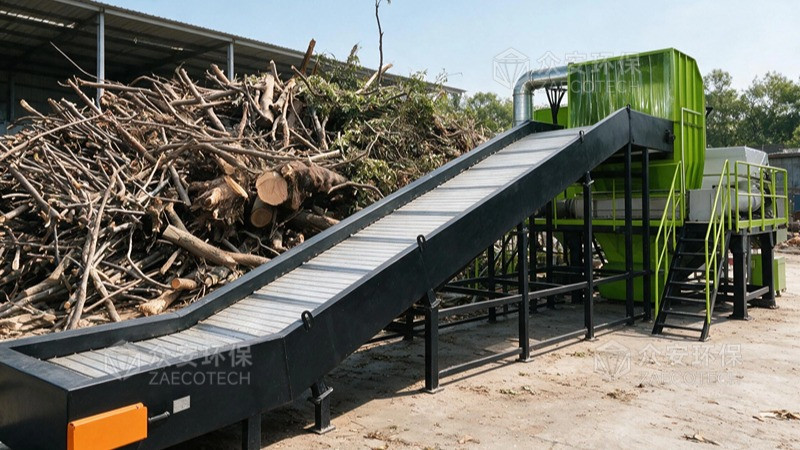
The four models provide options for different project scales:
S522: 15–25 t/h for smaller processing projects.
S535: 25–38 t/h for medium-capacity operations.
S550: 35–55 t/h for higher-throughput requirements.
S570: 50–75 t/h for large-scale wood and biomass processing.
After primary shredding, wood waste can enter several downstream applications:
Biomass Fuel Production: Shredded wood can be prepared for biomass boilers and industrial heating systems.
Wood Pellet Production: Further fine grinding, drying, and pelletizing are generally required.
RDF/SRF Production: Suitable wood waste can be mixed with other combustible materials for alternative fuel preparation.
Wood Mulch: Appropriately sized wood fragments can be used in landscaping and ground-cover applications.
It is important to note that 50–100 mm is the standard primary shredding output, not the final particle size for every application. A complete recycling line may also require conveyors, magnetic separators, secondary shredders, screening equipment, dust collection, or pelletizing systems.
Choosing an industrial wood shredder requires evaluating material dimensions, processing capacity, blade durability, maintenance requirements, and downstream applications.
ZAECOTECH provides four wood shredder models with reference capacities from 15 to 75 t/h and standard output sizes of 50–100 mm. Equipment configurations can be considered according to material characteristics, project capacity, and site conditions.
For a suitable equipment recommendation, please share:
Wood waste type and material photos
Maximum input dimensions
Required processing capacity
Target output size
Downstream application
Project location and site conditions
Textile Waste to RDF Production Line: How to Turn Textile Waste into Alternative Fuel?
Solving Glass Fiber Dust Hazards and Rapid Blade Wear in End-of-Life Wind Rotor Recycling Plants
E Waste Shredder in South Africa for PCB and Electronic Waste Recycling
High-Capacity Textile Shredding Solutions: From Baled Garments to Clean Shoddy Fiber Opening


 中文


